

This is the third article of a Paradise Seeds series on cannabis contamination looking at what microbials are, the safety of weed grown from different sources (legal/street) and the testing process used to gauge microbial levels. This article looks at the cannabis microbial health risks which can affect consumers.
There are a number of recognized contaminants, which are referred to as microbials. These are mold/mildew, yeast, Aspergillus and other pathogenic fungi and bacteria that can develop on a plant during cultivation or drying (such as salmonella). See our article on Microbial Testing in Cannabis Explored for more detail.
Cannabis Microbial Health Risks – Who is Most Vulnerable?
Medical Cannabis Users
The most at-risk group are medical cannabis consumers who have underlying medical conditions such as cancer, HIV/AIDS, organ transplant patients or those with chronic lung diseases such as COPD and asthma. Even moderate fungal spore levels can cause lung inflammation, pneumonia and aspergillosis (can be fatal if invasive).
This is why medical cannabis markets often have stricter microbial limits than recreational markets. What ‘nuked’ weed may take away in aesthetics (smell or taste) it compensates for in safety.
Recreational Cannabis Users
For healthy adult users, risks depend on which organisms are present, spore count levels and method of consumption (inhalation poses a greater risk than ingestion). The tangible effects of this can manifest in short term symptoms such as throat irritation or allergic reaction and sometimes headaches or fatigue.
However, in the longer term there is a risk posed by mycotoxins produced by fungi. These are heat-stable (so smoking does not destroy them), can accumulate in the body over time and are linked to kidney and liver stress – this means moldy cannabis can still be dangerous even if it looks and smells normal.
A low – moderate microbial load is considered relatively low risk for most adult consumers with a healthy immune system. However that risk becomes much higher when there are obvious signs of contamination such as musty smell, visible signs of mildew or mold. Never take the risk of inhaling moldy weed.
It needs to be said that microbials are all around us and are naturally present on cannabis plants. The risk therefore is in the concentration of microbials.
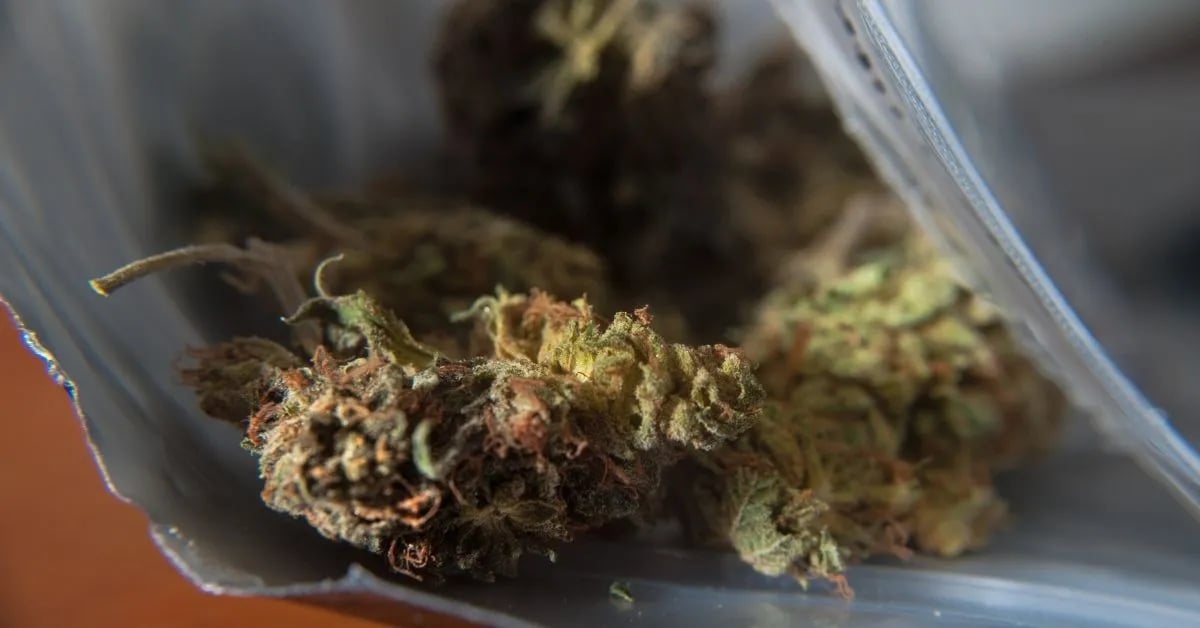
‘Street’ weed is likely to be the most at risk source of cannabis in the supply chain. This is likely to come from a dubious source (such as a high volume illicit grow) where profit is incentivized over concern for the well being of the consumer.
Research studies give an illustration into the risks involved. Research by the Manchester Metropolitan University and Curaleaf Clinic found 90% of street cannabis samples contained mold or yeast, indicating widespread fungal contamination.
Meanwhile, a study of acorn hash pellets bought in Madrid found 93% were contaminated with E. coli and 10% were contaminated with Aspergillus – a mold genus that includes species associated with lung infections.
For homegrowers there are inevitable risks around crops becoming contaminated, but the small scale and the typical home grower’s investment in attention to detail means the risks should be lower than with street weed (see our companion article How to Reduce the Risk of Homegrown Cannabis Contamination for tips on good management).
The Rise of Post-Harvest Remediation in Commercial Cannabis
In our article Microbial Testing in Cannabis Explored we took a detailed look at the microbial testing process that legal commercial cannabis growers need to adhere to. One way to ensure a completely ‘safe’ consumer product is to use remediation.
Remediation refers to post-harvest techniques used to reduce or eliminate microbial levels in cannabis flowers post-harvest in large scale (legal) commercial grows. These methods are designed to lower microbial counts so the product can pass required safety testing.
Common remediation approaches include radiofrequency treatment, gamma irradiation, ozone exposure, and hydrogen peroxide vapor. But does this affect the end consumer experience?
While these processes do not typically alter cannabinoid or terpene levels significantly, they can influence the overall experience and are often seen as a last resort rather than a substitute for clean cultivation. A 2023 study concluded that “irradiation achieved near-sterilization of microbial counts, with no significant change to cannabinoid content, and only ‘little effect’ on terpenes and moisture.”
However consumer reaction to ‘nuked’ weed has inevitably been more unfavourable, with some reports of impact on flavor, although industry figures have tended to dismiss such concerns. Other opponents of the practice argue that remediation allows for sloppy cultivation practices by ‘fixing’ problems in one big final zap at the end of the growing process.
For medical patients, who prioritize the delivery of a ‘safe’ product over an ‘aesthetic’ product, remediated cannabis has inevitable advantages.
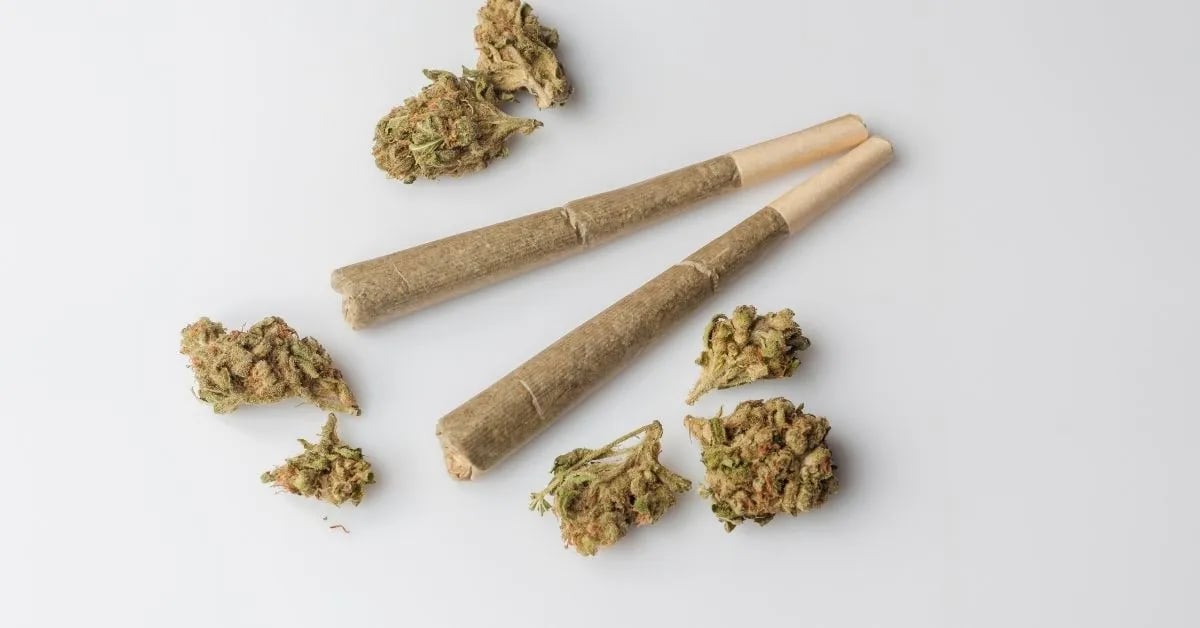
How do microbial levels in commercial cannabis products compare with home grown products?
Before looking at this further, it’s important to make the distinction between legal ‘commercial’ cannabis – i.e. from registered sources – and illegal ‘commercial’ cannabis grown on the black market which is linked to street weed.
In the case of the former, plants will be grown in custom built facilities with high levels of regulatory scrutiny. These are embodied in GACP (Good Agricultural and Collection Practices), which focuses on the initial cultivation and harvesting of plants, and GMP (Good Manufacturing Practices), which covers the subsequent processing, manufacturing, packaging, and labeling of the finished product.
In regards to the latter, illegal commercial operations may grow a high volume of plants, but are likely to compromise in regards to consumer safety as there is no obligation to perform testing in order to comply with regulations.
So this section looks at the evidence around legal commercial cannabis products vs home grown cannabis products. In reality, there has been no significant study comparing microbial levels between GACP/GMP and homegrown crops, but there are some conclusions which can be drawn:
Regulated products usually test cleaner. It’s inevitable that legal commercial operations tend to be in compliance with microbial level control limits and therefore will systemically address issues regarding these.
Illicit/homegrown samples are variable, but fail more. Again, no surprises here. If we take a cross section of unregulated grow spaces there are going to be many that would fail basic sanitary checks.
Due to the considerable variables involved with testing procedures in terms of equipment, methodology and differing acceptance thresholds a study comparing commercially grown weed and home grown/illicit presents difficulties. However it may be presumed that unregulated sources carry a higher risk and variability than non-regulated sources.
Conclusion
The weed that you consume should be safe for consumption – that’s a no brainer! Legalization has highlighted this factor with commercial growers obligated to comply with regulations. However, there are lessons for all growers in terms of striving to best manage the grow environment to reduce the risk of microbial levels.