

Why Cannabis Root Health Matters
While most growers inevitably obsess over the size of their colas and the frostiness of their buds, more experienced cultivators appreciate the importance of a plant’s root system. Paying attention to the ‘bit you can’t see’ and focusing on cannabis root health returns dividends on a plant’s performance.
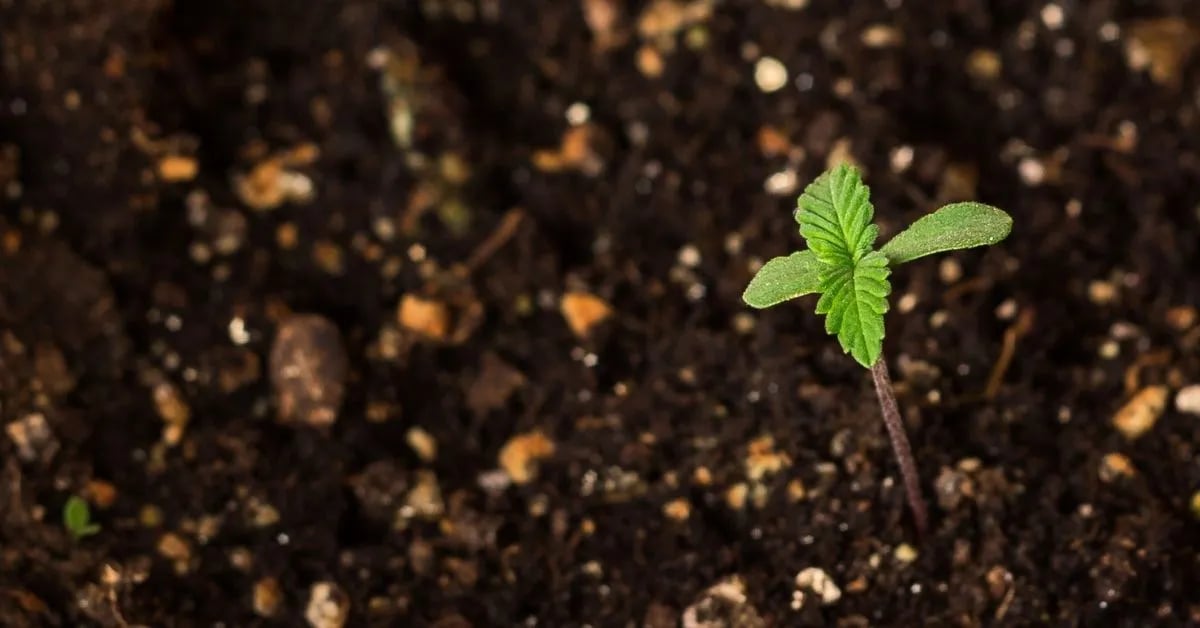
In this article, we take a peek into the rhizosphere, the delicate ecosystem surrounding your roots, looking at issues, solutions and tips for building strong root structures. Every plant begins with a seed, and from that seed emerges a tap root. From day 1 , establishing a healthy base for the root structure to develop is vital (refer to this guide for growing healthy seedlings).
Anatomy of a Healthy Root System
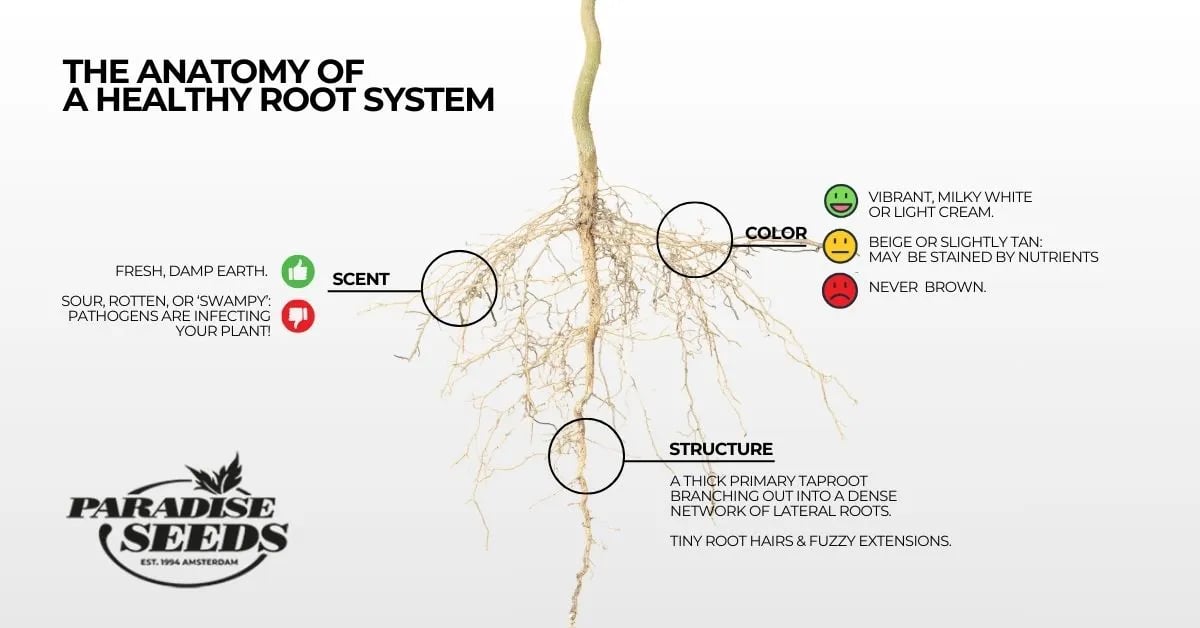
As the plant grows, its root structure will develop. So what does a healthy root system look like?
- Color: Healthy roots should be a vibrant, milky white or light cream. If they look beige or slightly tan, they may just be stained by nutrients (like humic acid), but they should never look brown.
- Structure: You want to see a thick primary taproot branching out into a dense network of lateral roots. Most importantly, you should see root hairs which are tiny, fuzzy extensions that do the heavy lifting in terms of absorbing water and nutrients.
- Scent: Believe it or not, you should smell your roots. Healthy roots smell like fresh, damp earth. A sour, rotten, or ‘swampy’ smell is an immediate red flag and sign that pathogens are infecting your plant.
The success of any root system depends on three variables:
- Oxygen: Aerated soil is essential for root health. Using fabric pots and adding mediums like perlite, vermiculite and coco coir will help roots to breathe.
- Moisture: Water gives a plant life, but overwatering will drown the plant’s roots and inhibit energy being transferred to the rest of the plant, while making it vulnerable to disease.
- Temperature. Ideally, your root zone should stay between 18°C and 22°C. Get into the habit of regularly checking the temperature of indoor grow space and medium and adjust fan position to cool down or warm up. Outdoors use a mulch to prevent drying out.
Cannabis Root Health: Growing Indoors
Cannabis in Soil and Soilless Media
For plants grown in soil and coir, the biggest threat to root health is compaction. If the soil is too dense, the roots can’t breathe leading to anaerobic conditions.
- Drainage is Key: Always mix in aerating agents like perlite or pumice. These create ‘macro-pores’ that hold oxygen even right after watering.
- Pots Matter: Transitioning from plastic pots to fabric (or Smart) pots will prompt the plant to react favorably in a natural process known as ‘air pruning’. When a root reaches the edge it is exposed to air and dehydrates. This signals the plant to send out lateral roots and build a denser root system, preventing plants becoming ‘root bound’ (i.e. circling the pot).
- Wet/Dry Cycle: Beginners often make the mistake of keeping soil constantly damp, which drowns the roots. Allowing the top inch of soil to dry out encourages the roots to stretch and search for moisture, creating a more robust network.
Cannabis in Hydroponics
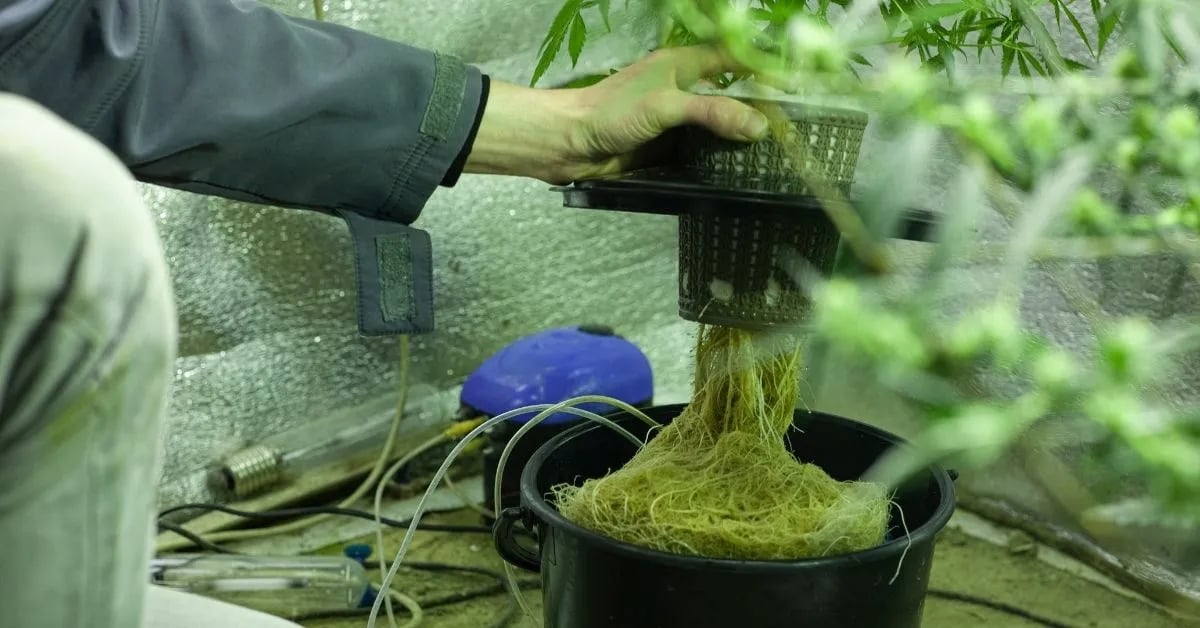
In hydroponic systems like Deep Water Culture (DWC) or Nutrient Film Technique (NFT), the roots are suspended directly in water. Careful management is needed to preserve and promote root health. Factors to be aware of include:
- Dissolved Oxygen: Since water holds less oxygen than air, you need to use high-quality air stones to keep the reservoir bubbling. Without constant oxygenation, roots will literally suffocate.
- Reservoir Temperature: Hydro is highly sensitive to heat. If your water gets above 24°C, its ability to hold oxygen plummets, and it becomes a breeding ground for Pythium (root rot). Many pro growers use water chillers to maintain a steady 19°C.
Cannabis Root Health: Outdoor Growing
Outdoor cannabis plant roots have the advantage of unlimited space, but they also face challenges from the elements. Factors to be aware of include:
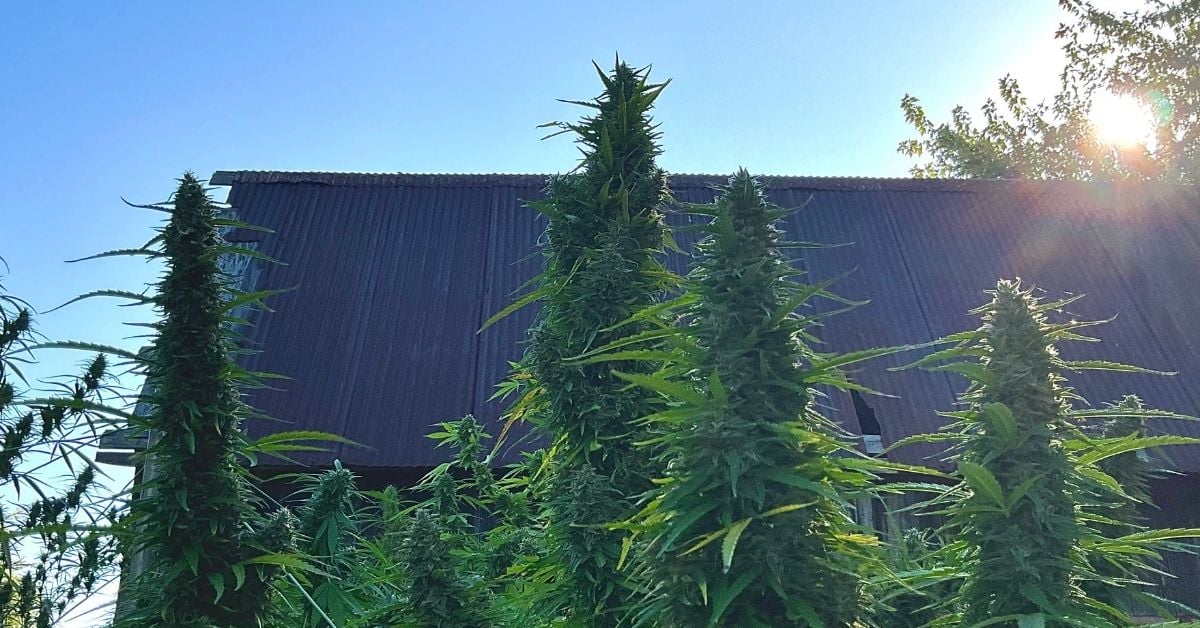
- Soil Quality: Unlike indoor soil, outdoor earth can be compacted or have poor pH. Always check the physical condition of soil (known as ‘tilth’). For example, the roots will struggle to penetrate a heavy clay, while nutrients will wash away if it’s too sandy. Know your soil and make necessary adjustments with root health in mind.
- Thermal Mass: Roots in the ground are naturally insulated by the earth, staying cool even on hot days. However, if you grow in large plastic pots outdoors, the sun can ‘cook’ the roots. Using light colored pots or burying your pots in the ground can prevent heat stress.
How to Promote Root Vitality in Cannabis Plants
To take root health to maximum levels, it’s advisable to invest in some beneficial additives which will supercharge your root system.
- Mycorrhizae: This is a beneficial fungus that forms a symbiotic relationship with cannabis roots. It effectively extends the root system’s reach, helping the plant absorb phosphorus and water that it couldn’t reach on its own. This can be in natural format, but you can also buy mycorrhiza products off the shelf to add to a soil mix.
- Beneficial Bacteria: Strains like Bacillus subtilis act like an immune system for your roots, eating harmful pathogens before they can take hold. You can also infuse your plants with beneficial bacteria by making your own soil.
- Enzymes: Adding enzyme formulas helps break down dead root material (cellulose) and turns it into simple sugars, which in turn feed the beneficial microbes in the rhizosphere.
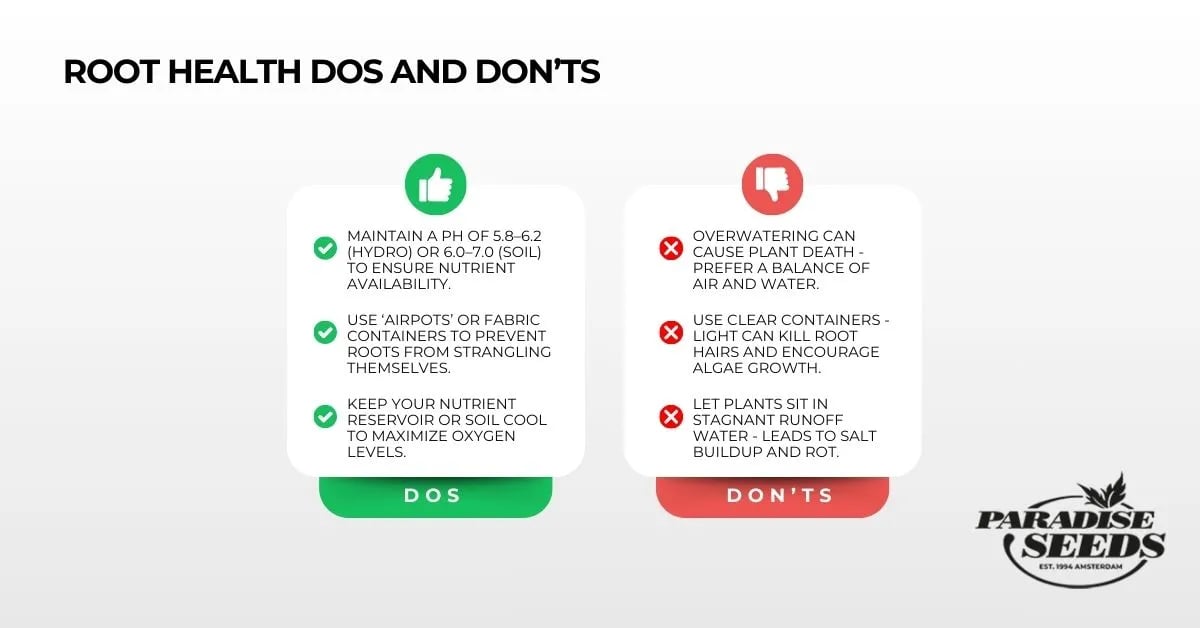
Root Health Dos and Don’ts
Root health Issues and Solutions
Poor watering practices – over or under watering – are a frequent cause of unhealthy root systems. Here are some common issues which result from having unhealthy root systems in your growing medium.
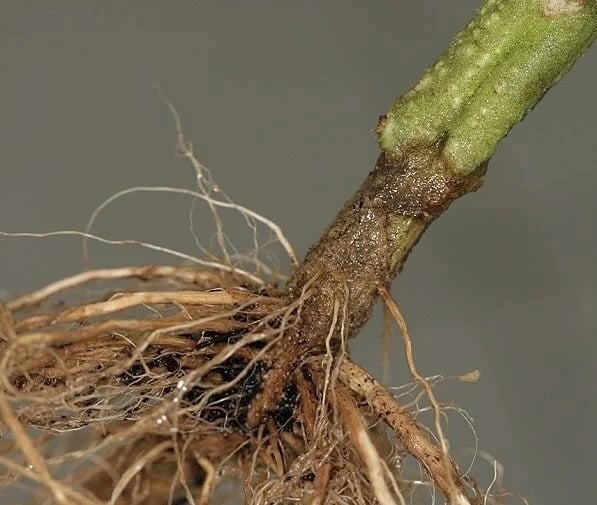
Root Rot (Pythium)
- Symptoms: Roots appear brown, slimy, and have a foul odor. The plant will look wilted even if the soil is wet.
Solution: In hydro, clean the reservoir and add hydrogen peroxide (H 2O 2) or a root-cleaning biological agent. In soil, improve drainage and let the medium dry out completely.
Nutrient Lockout
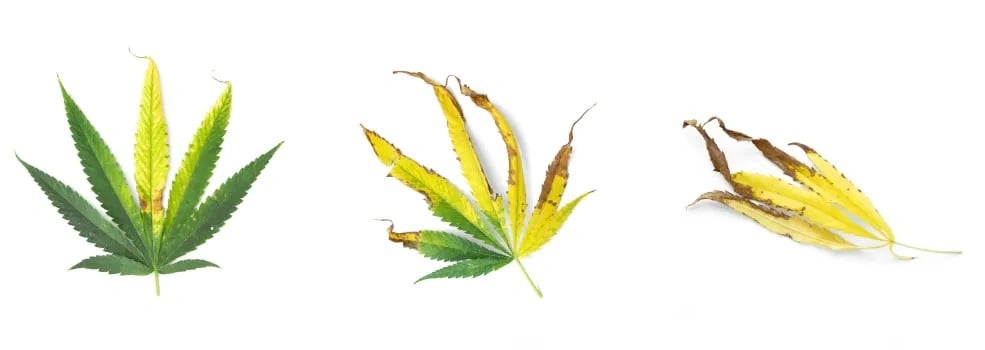
- Symptoms: Discolored leaves (yellowing or spotting) despite adding plenty of fertilizer. This is often caused by salt buildup around the roots.
- Solution: Flush the medium with a large volume of pH-balanced, plain water to ‘reset’ the rhizosphere.
Fungus Gnats
- Symptoms: Tiny black flies hovering around the soil. Their larvae live in the top layer of soil and eat the delicate root hairs.
- Solution: Use yellow sticky traps for the adults and apply “Mosquito Bits” (BTI) or drench the soil with an organic agent such as Neem oil to kill the larvae.
Conclusion
If you haven’t factored root health into your cultivation regime before, now’s the time to start – what happens below is a big influencer of what is going on above!
By prioritizing oxygen, managing your temperatures, and fostering a microbiome of beneficial fungi and bacteria, you can ensure that your plants have the soil system infrastructure they need to thrive.