

Contents
Ask an experienced grower which single factor matters most for yield, and most will say light without hesitating. It’s why your grow light is usually the single biggest line item in your setup budget, and why getting it right matters more than almost any other decision. The right choice depends on your space, plant count, target yield, and how much you’re willing to spend on both the light itself and the electricity it draws. Here’s what each type actually does, and where each one fits.
Light Spectrum and Growth Stages
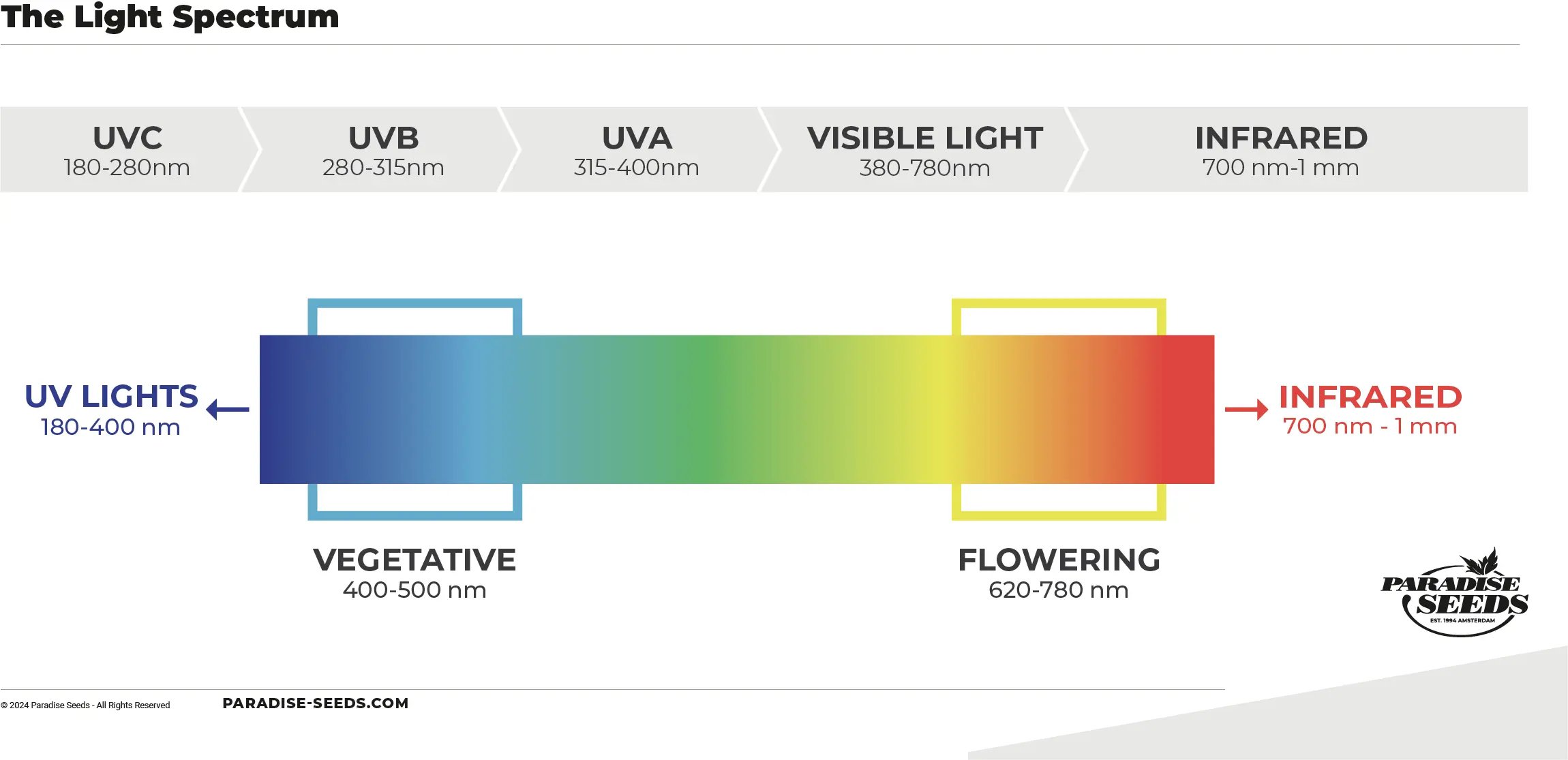
Indoor growing means recreating what the sun does naturally, and the closer your light matches that spectrum, the healthier your plants grow. Visible light runs roughly 380 to 750 nanometers, violet through far-red, with ultraviolet and infrared sitting just outside what the human eye can see but well within what a cannabis plant can use.
The stage of growth determines which wavelengths matter most. During veg, plants want bluish wavelengths (ultraviolet, violet, dark blue) to build strong leaf structure, a light source missing that range can actually stunt growth at this stage. During flowering, red wavelengths (orange, red, deep red) take over, driving photosynthesis, bud formation, and final yield. Every grow light on this list emits a different slice of that spectrum, which is exactly why the “best” one depends on which stage you’re lighting for.
HPS: The 30-Year Standard
High-Pressure Sodium lights, a subcategory of HID (high-intensity discharge) lamps, have been the grower’s default since the 1990s, after starting out as street lighting in the 1970s. Their appeal has never really changed: a broad, intense, orange-red spectrum that’s close to ideal for flowering, at a lower upfront cost than most alternatives.
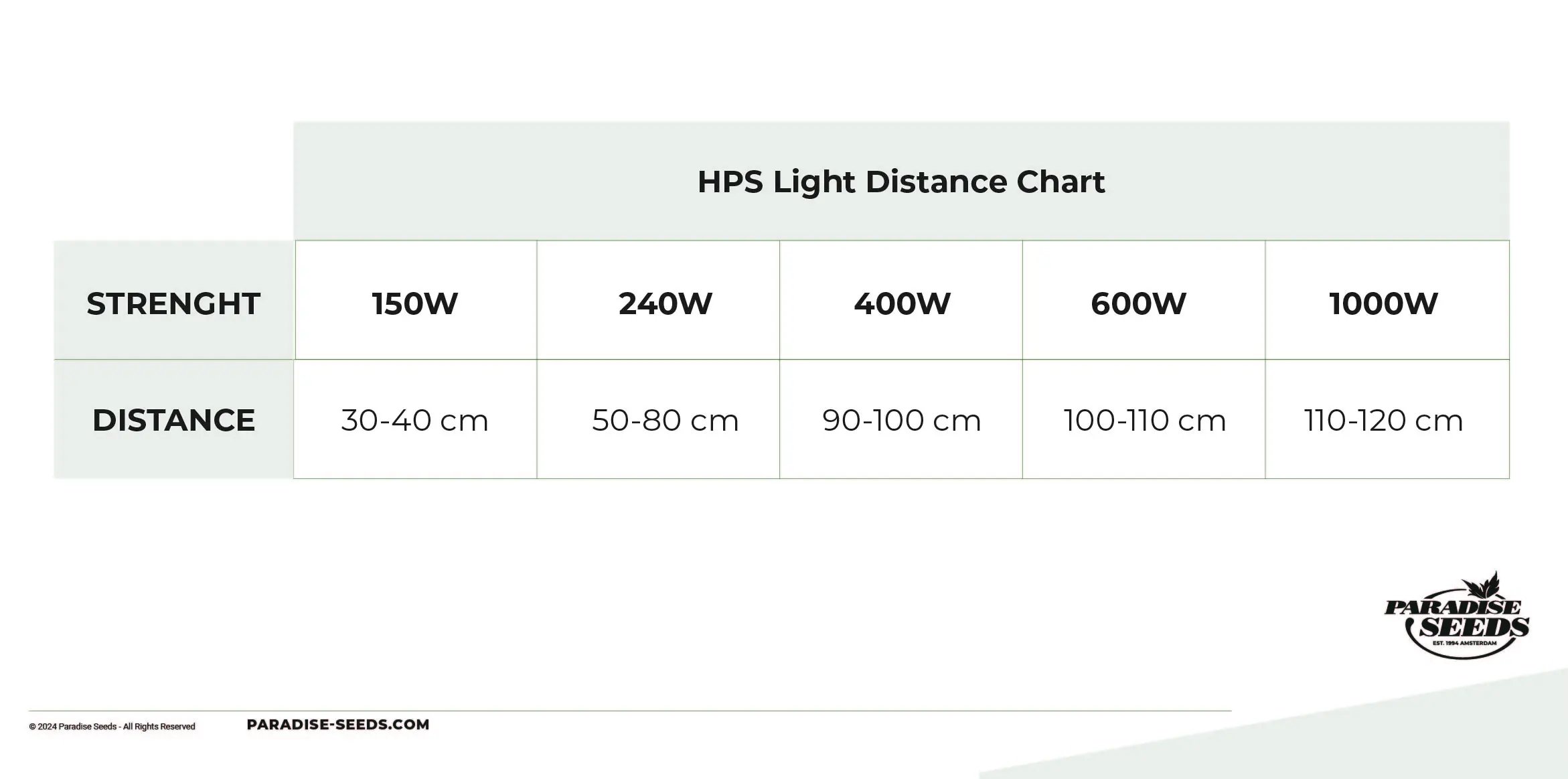
The tradeoff is heat. HPS bulbs put most of their energy output into heat rather than light, which means you need real distance between the light and your canopy, more than a meter for a mid-wattage 400-600 watt HPS, and usually a dedicated ventilation system to manage it. That heat can actually help in a cold room, but it costs you usable grow space and adds to your running costs either way. Most growers get better, more even coverage running two or three smaller 400-600 watt HPS units rather than one large 1000-watt unit. Bulbs also lose brightness gradually over a few years, though replacing an individual bulb is far cheaper than replacing an entire system.
Where HPS wins: decades of proven use with abundant reference material, lower entry cost, reliable high yields in flower when used correctly, and bulbs you can replace individually rather than junking the whole fixture.
Where HPS costs you: high heat output means mandatory distance and usually a ventilation system, a shorter bulb lifespan than LED, and it’s really only recommended for flowering, you’ll want a different light (like Metal Halide) for veg.
LED: The Modern Default
Early LED grow lights were expensive and genuinely worse than HPS for anything beyond cloning and rooting. That’s changed. Modern LEDs have closed the efficiency gap, dropped in price, and many now let you shift spectrum by growth stage, covering veg through flower with one fixture. The catch is quality control: with no real industry standard, the market is full of lights marketed as premium that aren’t. Research before you buy.
LEDs run cool enough to sit much closer to your canopy than HPS, which recovers usable vertical space and, since they draw comparable power to HPS while releasing far less of it as heat, cuts your ventilation costs dramatically, sometimes to nothing. Quality LEDs are also rated for extremely long service: some manufacturers guarantee 50,000 hours, nearly six years of continuous operation, without meaningful brightness loss.
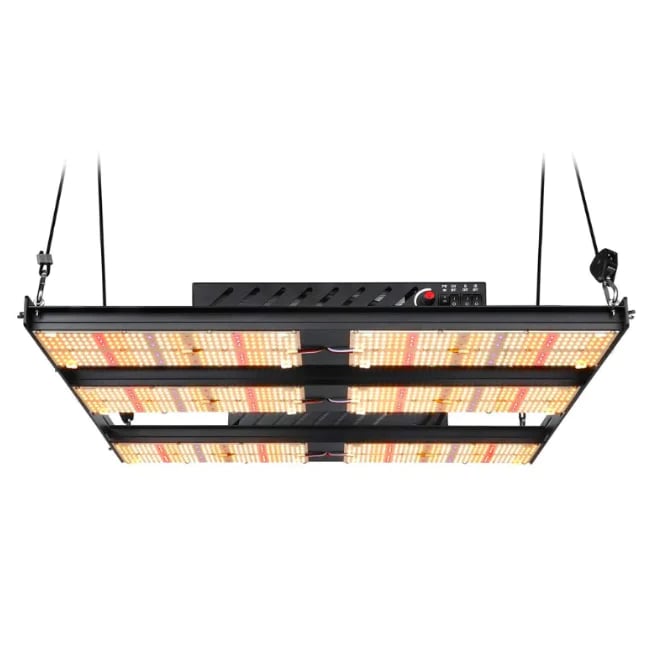
Where LED wins: energy efficiency that recovers the higher purchase price over the light’s life, minimal heat and ventilation needs, closer canopy placement, long stable lifespan, spectrum adjustment across the whole grow cycle, and true plug-and-play setup with no separate ballast or transformer needed.
Where LED costs you: still a higher upfront price than HPS, real quality variance across brands so research matters, low heat output can actually be a downside in a cold room, and HPS still tends to edge out raw yield in flower for some growers. Our guide to boosting LED efficiency covers how to close that gap with spectrum, PAR, and UV tuning.
Metal Halide (MH)
MH is the other major HID type alongside HPS, and it does the opposite job: a cooler, bluish spectrum that mimics spring and early-summer sun, ideal for pushing leaf growth during veg. It’s not suited to flowering, the spectrum is simply wrong for bud development, so if you can only run one HID light, HPS is the better all-around choice. MH mainly earns its place as the veg-stage complement to an HPS flowering setup.
Ceramic Metal Halide (CMH / LEC)
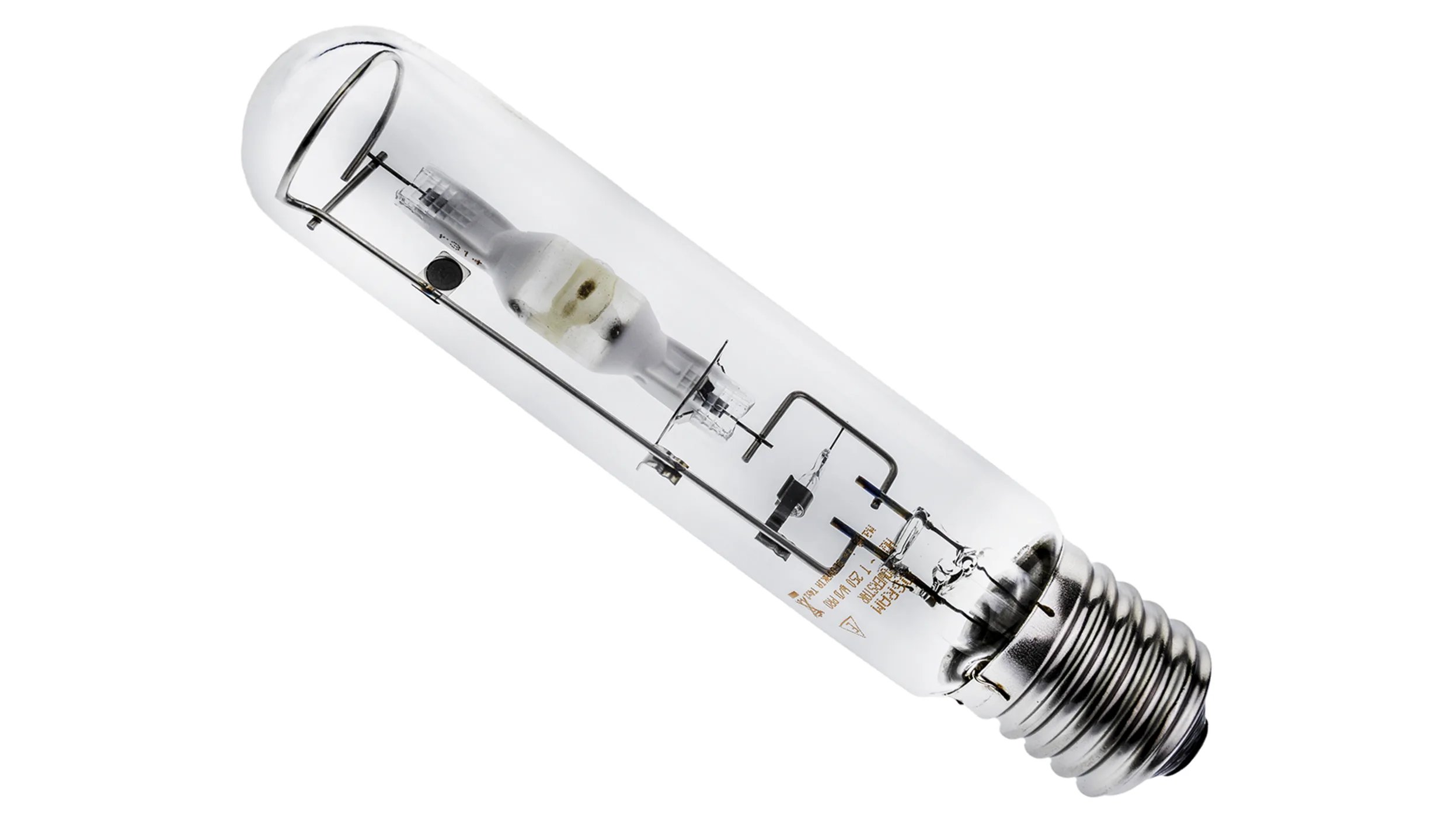
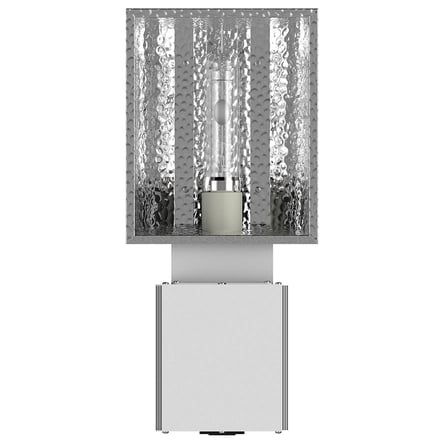
CMH, also called LEC (Light Emitting Ceramic), is the newer HID technology built to cover the gap MH and HPS each leave open individually. A different gas fill than either MH or HPS gives CMH a broader spectrum, blue, red, and white light from one bulb, capable of running through both veg and flower. That broader spectrum includes some UV-B, which plays a role in a healthy stress response and can support resin and trichome development, though it isn’t a major direct driver of photosynthesis the way blue and red wavelengths are.
CMH also runs cooler than HPS, so you can place it closer to the canopy with less cooling demand. The one place HPS still wins out is raw lumen output during flowering, if maximum flower-stage brightness is your top priority, CMH is a strong all-rounder but not necessarily the outright winner.
Compact Fluorescent (CFL)
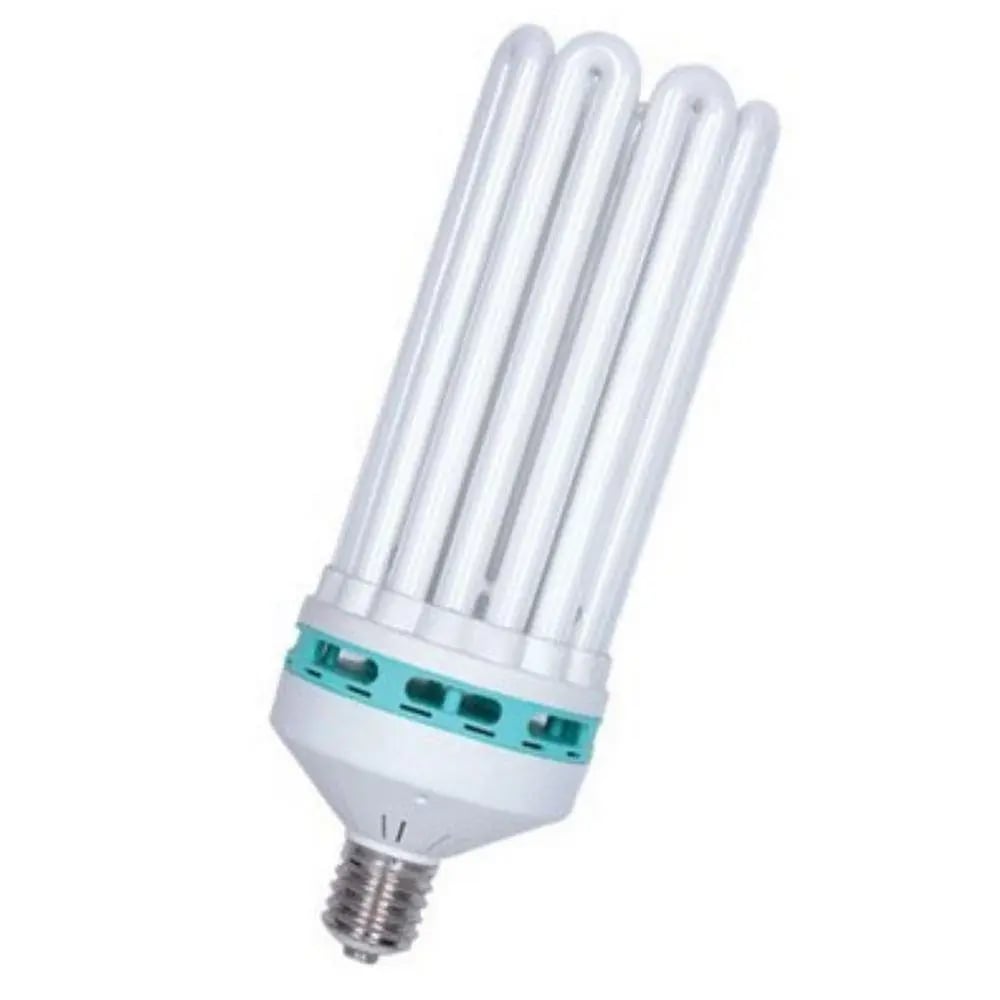
CFL is the budget, beginner-friendly option, low heat, no separate transformer needed, and safe to run in tight spaces. Because they run cool, CFLs can sit as close as 20-30 cm from your plants, useful if space is genuinely limited. Match the spectrum to your stage: 6500K for veg, 2700K for flowering. The tradeoffs are real, though: CFLs only make sense for small-scale grows, they lag well behind HPS, LED, and CMH on yield, and unlike LEDs, they need replacing roughly every year.
Choose the Light, Then Choose the Seed
LED technology has genuinely reshuffled this decision over the past few years, HPS still has a loyal following and a real case for flowering specifically, but LED has become the default for good reason. Whichever you choose, the light is only half the equation.
We’ve been breeding cannabis in Amsterdam since 1994, and one thing hasn’t changed in all that time: no lighting setup, however good, makes up for low-quality seeds. Get your light right, then start it with genetics built to make the most of it, browse our full seed collection to get started.