

Contents
Tissue culture is a laboratory-based method of cloning plants. The process involves taking cells and tissues from mature plants and developing them, through the use of a nutrient culture medium, to grow new plants.
Unlike traditional cloning, which relies on cuttings from a mother plant, tissue culture uses carefully controlled, microbe-free conditions to produce genetically identical and disease-free plantlets.
Tissue culture is becoming increasingly popular with commercial growers and breeders seeking ‘clean’ genetics and predictable performance. The technique can also be used for preserving rare cultivars.
Cannabis Breeding and Tissue Culture
Like other cannabis breeders, Paradise Seeds is constantly looking for ways in which to improve their varieties. Traditional techniques have involved intensive phenohunting and back crossing of plants to develop new strain traits such as pest and disease resistance, enhanced terpene profiles and more resin output.
Once such strains have been identified it’s vital to preserve them for the future and the tissue culture technique is a guaranteed way of preserving genetics. Aside from being able to ‘bank’ the gene, it offers a clean basis for plants to be reinvigorated and mass produced free of pathogens for big commercial cultivation projects.
We works with several medical partners around the world, through its consultancy division, Paradise Phytogenetics. For medical providers creating products for patients, plant stability and consistency (i.e. each plant has comparable levels of terpenes and cannabinoids) are vital elements in ensuring the universality of patient doses in cannabis based medicines.
Commercial cultivators who are growing at scale (i.e. thousands of plants in a facility) for both medical and recreational purposes, seek consistency, stability and, crucially, lowered risk of diseases like HLVD contaminating a crop.
Why Tissue Culture Is Gaining Popularity in Cannabis?
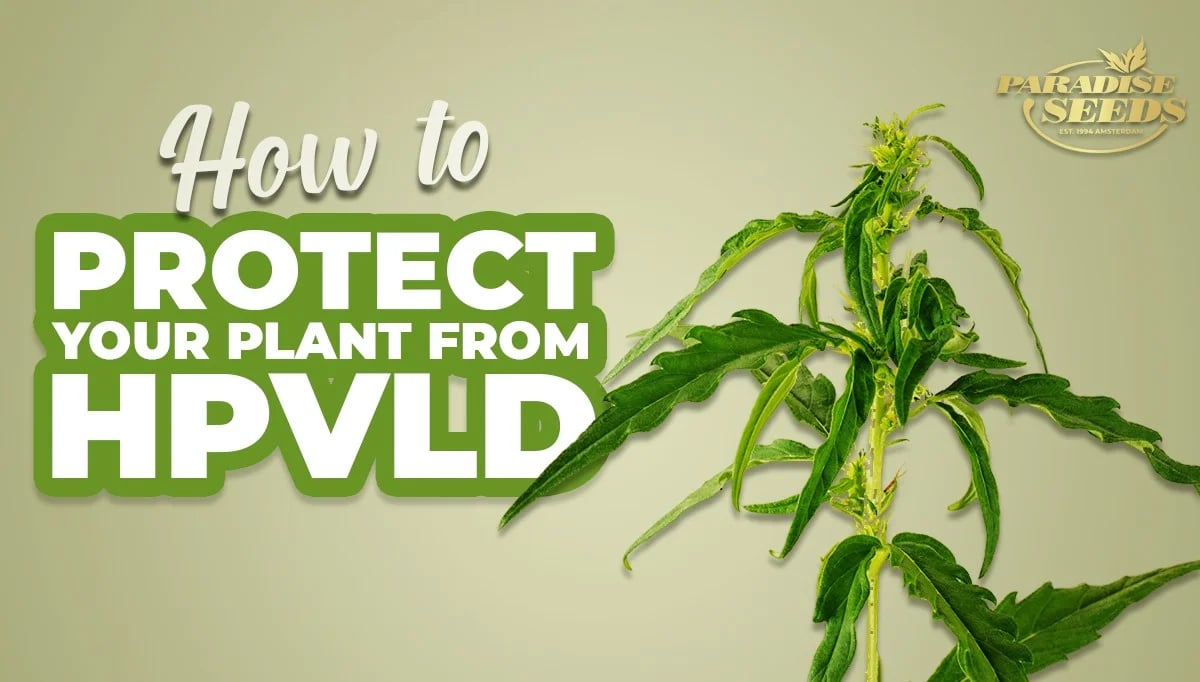
Cannabis is uniquely prone to systemic pathogens such as hop-latent viroid (HLVd, also known as HpLVd), fusarium, and powdery mildew. These pathogens can hide in mother plants and spread silently for months or years. Because tissue culture eliminates pathogens at the cellular level, it offers a way to reset infected genetics and restore the genetics.
For large-scale commercial facilities, tissue culture also offers better consistency, reduced mother-room space, and improved long-term genetics management. As regulations evolve and quality standards tighten, clean plant material is becoming an essential competitive advantage, not just a best practice.
How Tissue Culture Works
Step 1: Explant Selection
A small piece of plant tissue—often a meristem, shoot tip, or leaf segment—is removed from a healthy plant. Meristems are the most common because they have rapid cell division and are the newest and cleanest cells of new plant growth and thus free of pathogens.
Step 2: Sterilization
The explant (the piece of tissue removed from the plant for culture purposes) is sterilized to remove microbes such as fungi, bacteria, and yeast. This step is critical as the culture environment is delicate and even a single contaminant can take over.
Step 3: Culture Initiation
The sterile tissue is placed on a nutrient-rich agar medium containing sugars, vitamins, and plant growth regulators. Under controlled light and temperature, the cells begin to grow and form new shoots.
Step 4: Multiplication
Shoot proliferation begins, producing multiple identical plantlets. This is the stage where cannabis in-vitro propagation shows its efficiency. From minimal starting material, hundreds or even thousands of identical clones can be generated.
Step 5: Rooting
The developing shoots are transferred to a rooting medium designed to stimulate healthy root formation.
Step 6: Acclimatization
The rooted plantlets are moved from jars to soil, or inert media. They are slowly adapted to normal humidity and light conditions before they are ready for greenhouse or indoor cultivation.
The advantages of Tissue Culture
Pathogen-Free Starting Material: The most significant benefit is the ability to produce plants free from systemic pathogens. This can dramatically lower crop loss, improve yield, and protect long-term genetic stability.
Rapid, Scalable Multiplication: Tissue culture enables high-throughput cloning, making it ideal for commercial growers who need consistent, large volumes of genetically identical plants.
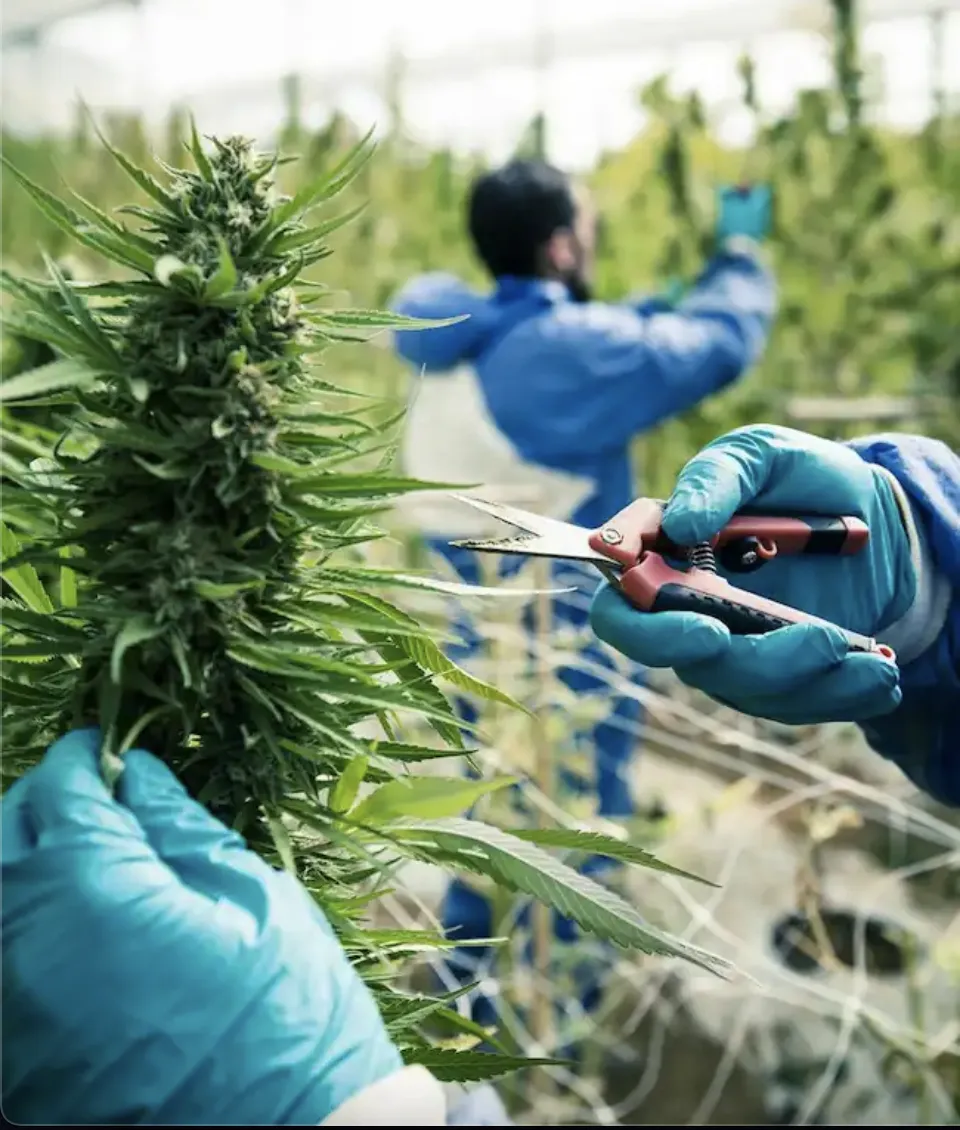
Reduced Mother Plant Requirements: Traditional cloning requires large mother rooms, which consume space, nutrients, and labour. Tissue culture reduces this footprint dramatically.
Long-Term Genetic Preservation: Genetics can be stored long-term in tissue culture form, acting as a secure genetic bank. This ensures cultivars remain stable over years without drift or contamination.
Why isn’t Everybody using Cannabis Tissue Culture?
While tissue culture is generally recognized as the future of plant propagation there are challenges and limitations. Unlike traditional cloning techniques, this is not a process that anyone can do and for that reason there is a significant cost factor.
Developing tissue culture requires specialized equipment, sterile technique, and trained personnel. Contamination is a persistent challenge, and there are also challenges in scaling up from lab conditions to greenhouse environments.
For many commercial growers, working with professional tissue culture labs is more practical than building an in-house facility – for example, Paradise Phytogenetics works with a tissue culture lab to develop plantlets which are then shipped to clients.
Cannabis Tissue Culture vs Traditional Cloning
Traditional cloning is fast and accessible, but carries risks such as a higher chance of spreading disease, the potential for genetics to weaken over time and inconsistencies when it comes to successful rooting.
Cannabis tissue culture, on the other hand, offers superior cleanliness, consistency, and long-term stability and scalability – making it a preferable option for producing large amounts (i.e. hundred and thousands) of plantlets.
However, tissue culture demands more skill, infrastructure and increased costs. For this reason tissue culture tends to be most enthusiastically adopted by large scale commercial licensed cultivators.
Want a more practical way to clone your plants?
If you want a simple, step-by-step approach you can use right away, this guide walks you through everything you need to know.
The Future of In-Vitro Propagation
In-vitro propagation (tissue culture) is evolving all the time and innovations in the areas of automation, robotics, and bioreactor systems are making micro-propagation faster and more cost-effective.
Tissue culture is likely to become a more established feature of commercial cannabis growing, especially as demand for the product in new legal markets continues to grow. Clean genetics, crop reliability and better insulation against the ravages of a crop based disease like HLVD mean that tissue culture ticks a lot of boxes.