

Contents
Contamination in cannabis is an area of increasing interest, particularly in commercial where products are regulated to provide safety assurances to end consumers in legalized markets. However, there is a significant section of cannabis cultivation which occurs ‘in the shadows’.
This article looks at the potential risks regarding homegrown cannabis contamination and how home cultivators can reduce those risks.
What are the Main Contaminants?
The main contaminants (referred to in terms of microbial levels) are:
- Mold/mildew
- Yeast
- Aspergillus and other pathogenic fungi
- Bacteria that can grow during cultivation or drying
They are of concern because, as cannabis is most administered through inhalation (smoking/vaping) higher microbial levels can be bad for the health, particularly for those with compromised immune systems, such as medical cannabis users.
Different Cannabis Market Factors
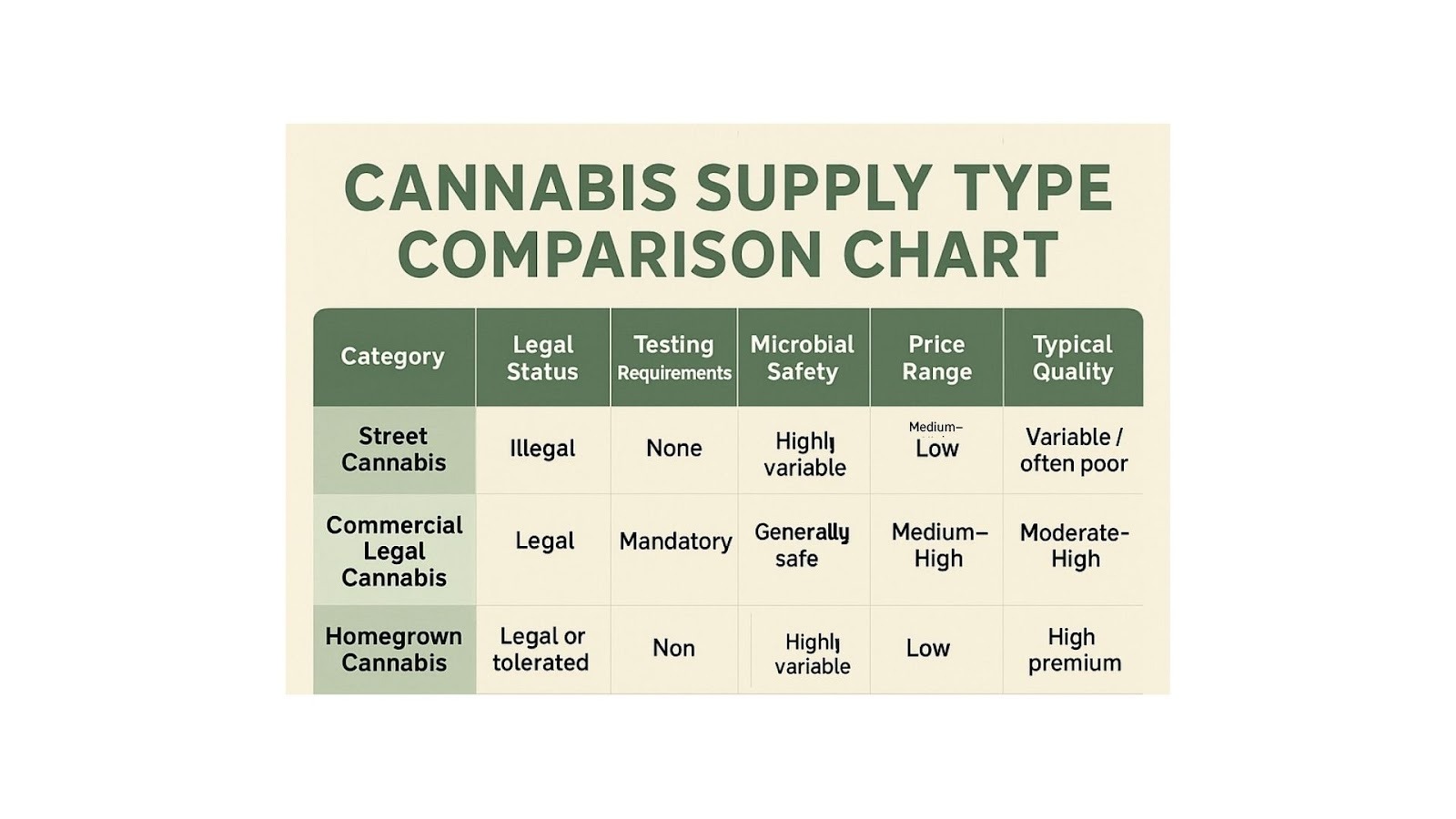
Before we look at the specific risks regarding homegrown cannabis, let’s take a look at the bigger picture. The weed market is complicated – unlike any other product – due to the patchwork of different legal statuses that make up the cannabis world. In some countries/states it is legal, in some it is tolerated, in many others it is illegal.
This means that there is a network of illegal and legal routes for consumers to buy and consume cannabis depending on where they live. As we investigate microbial levels in more detail in a series of articles, we need to first define the different categories which make up the cannabis market.
Street (illicit) weed: This definition includes those bad baggy deals from a street corner to the dealer who is selling bigger amounts that don’t come from their own supply i.e. both sources are likely to be from a large scale illegal ‘cannabis farm’ set up.
Commercial (legal) weed: This definition refers to cannabis that is being grown with licence and is regulated (often to GMP and GCAP standard). This includes commercial growers supplying legal recreational and medical cannabis end users.
Homegrown weed: This category refers to small scale cultivation at home, with the principle purpose of providing a personal supply.
Should Home Growers be Concerned About Microbial Levels in their Cannabis?
In short, yes of course home growers should be concerned about microbial levels in cannabis they grow at home. As with any cultivation, bad practices can result in the spread of microbes which have the potential to cause harm.
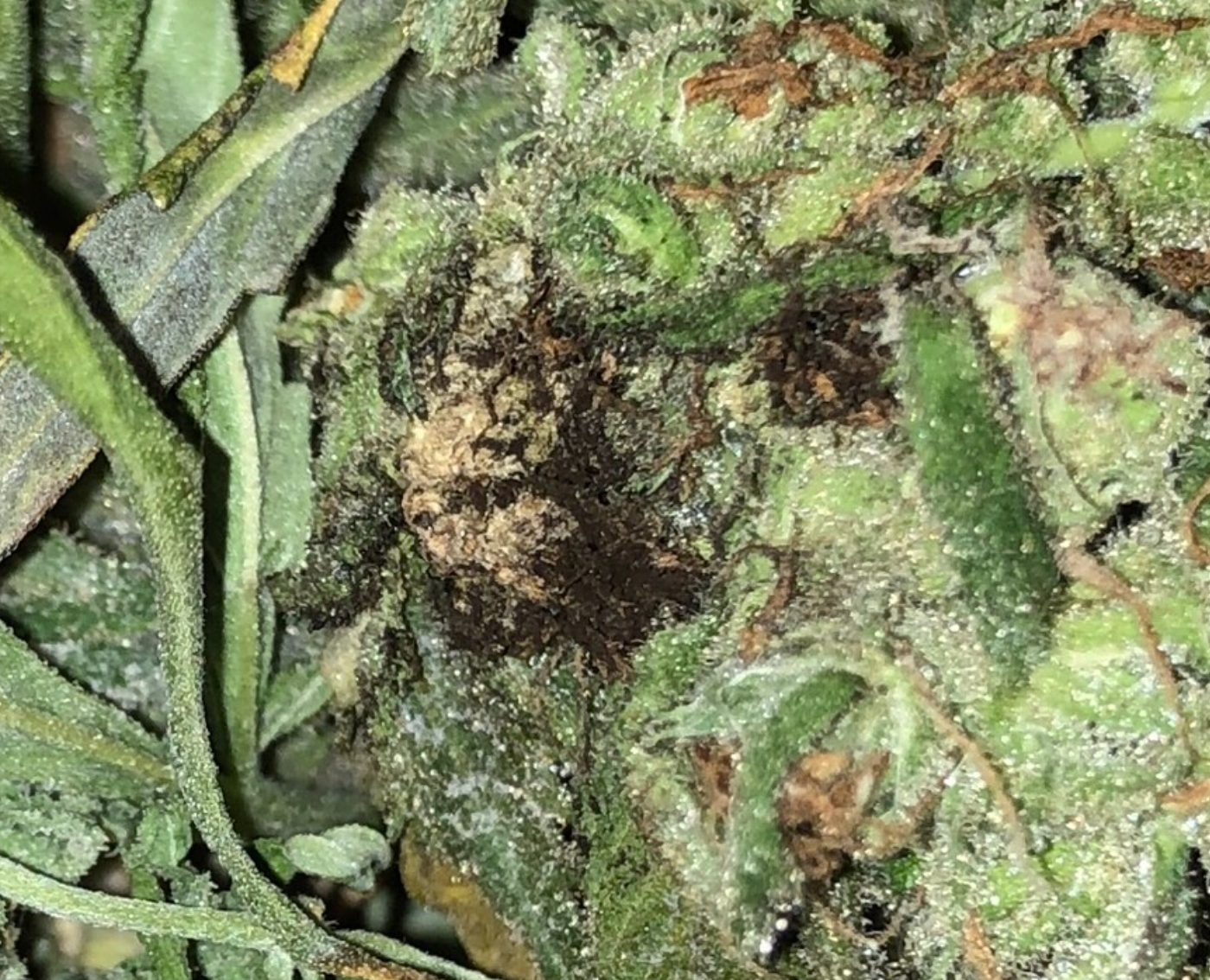
Most home grows are hardly carried out in laboratory conditions. Smaller spaces and more makeshift setups can mean trapped moisture, more humidity, especially if air filtration and sanitation standards are not prioritized.
This can lead to mold developing inside flowers, where it cannot easily be seen. Sharing, gifting, or pressing home-grown cannabis into concentrates can amplify health risks. While extraction processes using solvents can destroy many microbial particles, concentrates made by other means (canna butter/oil) can serve to lock microbials in).
How to reduce the risk of homegrown cannabis contamination in a Homegrow Setup
Home growers can dramatically reduce risk by focusing on environment and handling, alongside adopting a good program of practice for all their grows. Yes it takes more time, yes it’s boring, but consider that wealth is health and so invest for the safety of your own use!
One of the best bits of advice we have heard as to best practice in a home grow setup is: Treat your grow space like a kitchen surface, not a garage shelf.
Some best practices include:
- Controlling humidity: Keep grow environments under 50% humidity during late flower. Ideal RH is 55 – 60% and a temperature of 17 – 21 °C (62–70°F).
- Improving air circulation: Ensure constant airflow around buds. A fan which oscillates and provides multi-directional airflow is advised to impact all buds.
- Sanitizing tools and hands: Treat trimming like food prep and sanitize all surfaces and tools using Isopropyl alcohol.
- Drying slowly and evenly: Fast drying can encourage bacterial growth but too slow increases mold risk. Ideal length is 7 – 14 days. If you have a high RH (Relative Humidity), consider using a dehumidifier or dehydrator to take some of that moisture out of the air.
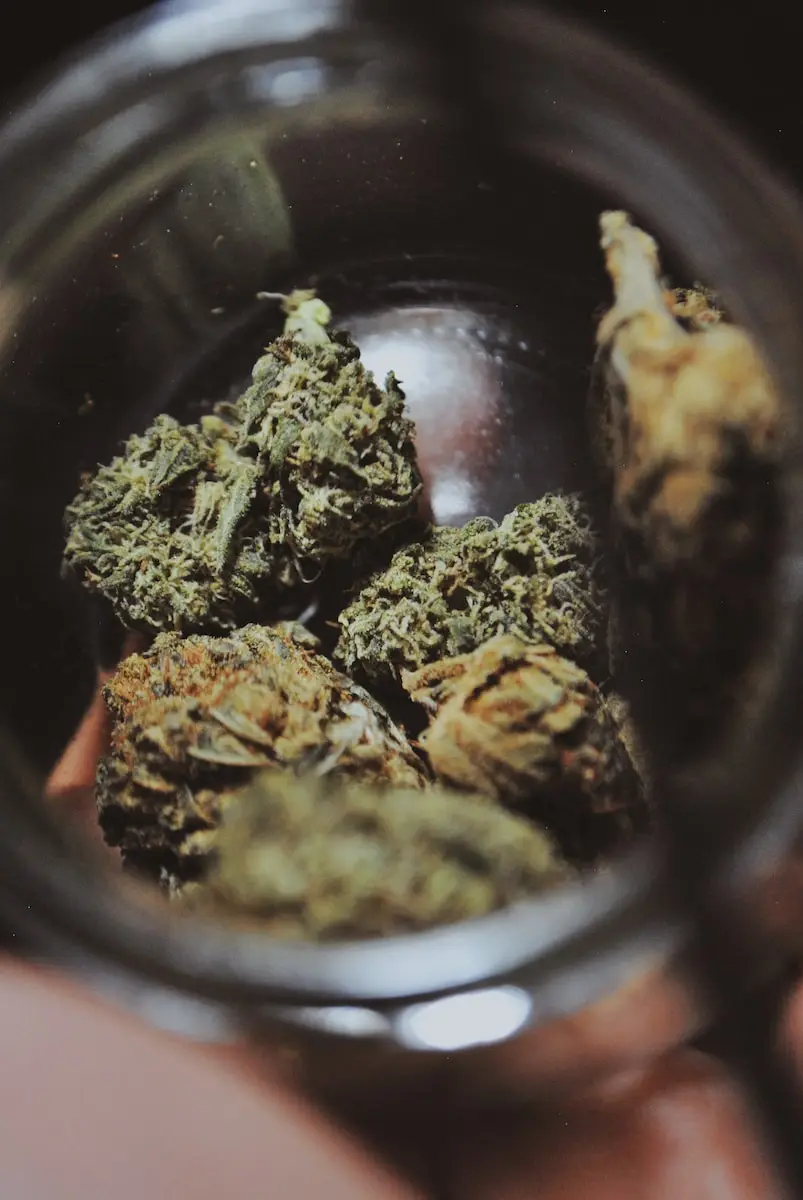
- Storing buds properly: Use airtight containers and avoid warm storage areas. ‘Burp’ the jars regularly for a couple of weeks, opening the jars daily for 5 – 10 minutes. Place humidity pouches (e.g. Boveda) in the jars.
For more information around the post-harvest process, see this detailed article on harvesting and curing.
Conclusion
High levels of microbials in cannabis is a concern for any cannabis consumer, and more so for those with compromised immunity. However, the homegrower can take steps to minimize the risk. This article is one of three exploring microbials – with other articles exploring testing in the commercial cannabis sector and taking a closer look at the health risks of weed contaminated by microbials.