
Cannabis pests are among the most common issues growers face when it comes to sick weed plants. These enemies of a successful cannabis harvest have the potential to cause huge problems in a grow room or garden. At best, they impact yield; at worst, they can lead to the destruction of an entire crop.
This guide covers common cannabis pests, how to identify them, and how to control them naturally using Integrated Pest Management (IPM).
Where you’re growing changes the calculus. Indoors, the environment is easy to control, but a pest that gets in only has one way in and out, so an infestation is more of a concern. Outdoors, visits from pests are more frequent, but with the right management they’re rarely catastrophic, nature’s own checks and balances do a lot of the work. Either way, finding chewed or discolored leaves is alarming, but don’t panic, and resist the urge to reach for chemical treatments, even ones marketed as “safe.” A quick knockdown spray leaves residue on a crop that’s headed for human consumption, and a diligent grower who catches the early signs has a good chance of fixing the problem without it.
Contents
Quick Identification & Treatment Matrix
| Pest | Primary Visual Sign | First-Line Organic Remedy |
|---|---|---|
| Spider Mites | Fine webbing on leaf undersides, yellow/white specks | Predatory mites (P. persimilis), insecticidal soap |
| Aphids | Pear-shaped bugs clustered on undersides of new leaves | Ladybugs, neem oil (vegetative stage only) |
| Whiteflies | Tiny white insects flying up when plant is disturbed | Sticky yellow cards, insecticidal soap |
| Thrips | Silvery streaks and tiny black spots (feces) on leaves | Spinosad, beneficial nematodes |
| Fungus Gnats | Mosquito-like flies near soil, stunted plant growth | Bti (Bacillus thuringiensis israelensis), dry topsoil |
| Caterpillars | Chewed leaves/buds, hidden larvae | Manual removal, Bt spray (Bacillus thuringiensis) |
| Mealybugs | White, cottony clusters on stems and leaf joints | Rubbing alcohol on cotton swabs, neem oil |
| Root Aphids | Wilting, yellowing leaves, small bugs in root zone | Beneficial nematodes, soil drench treatments |
| Slugs & Snails | Large holes in foliage, slime trails | Physical barriers, manual removal, copper tape |
Common Cannabis Pests & How to Identify Them
Signs of a pest problem are usually spotted via leaf damage, such as discolored or damaged leaves (marked with spots and pin-prick holes) or overall stunted plant growth. Always investigate damage thoroughly to rule out other issues, such as nutrient deficiencies.
Because many pests are tiny, keeping a magnifying glass handy is essential. If you suspect bugs but see no obvious movement, hold a sheet of white paper under a leaf and tap it gently to see what falls.
Foliage Feeders (Sap Suckers)
Spider Mites
Up close, these pests look like tiny spiders. They suck plant sap, causing yellow or white spots on leaves, and weave fine webs on the undersides of foliage. A serious spider mite infestation can destroy an entire crop if left unchecked.
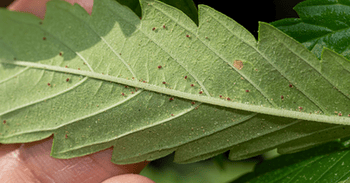
identifying spider mites on cannabis
Aphids
Aphids can be identified by their pear-shaped bodies. They typically cluster on new growth and the undersides of leaves, sucking sap and excreting a sticky substance called honeydew.
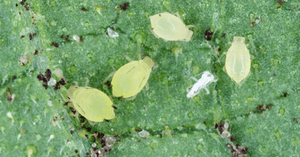
identifying aphids on cannabis
Whiteflies
These small, white-winged insects feed on plant sap, weakening the plant and causing leaves to yellow. If a cloud of small white flies flutters up when you disturb a branch, you likely have whiteflies.
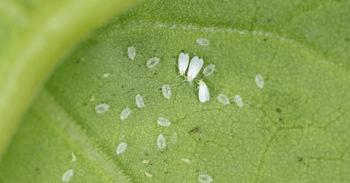
identifying whiteflies on cannabis
Thrips
Thrips can be yellow, brown, or black, though you often need a magnifying glass to spot them clearly. They feed on plant tissue, leaving behind silvery streaks or tiny black spots (feces) on the leaves.
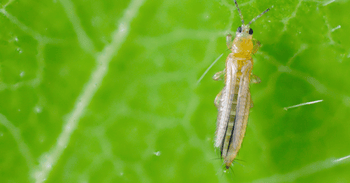
identifying thrips on cannabis
Mealybugs
Mealybugs are tiny, white, cottony insects that cluster on stems and leaf joints. Like aphids, they feed on plant sap and excrete honeydew.
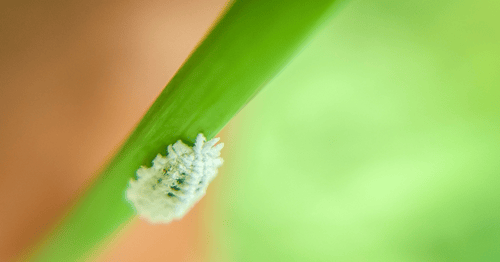
identifying mealybugs on cannabis
Root Zone Attackers
Fungus Gnats
Fungus gnats are small, dark flies whose larvae live in the soil and feed on delicate root hairs, leading to stunted growth and weakened plants. They appear as slow-flying, mosquito-like insects near the base of the plant.
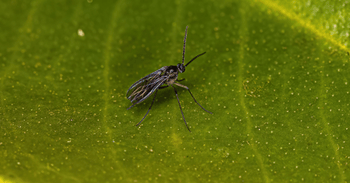
identifying fungus gnats on cannabis
Root Aphids
Similar to regular aphids, root aphids specifically target the root system rather than foliage, causing yellowing and wilting due to reduced nutrient uptake. (Note: The rice root aphid has also emerged as a significant threat to indoor cannabis crops in recent years).
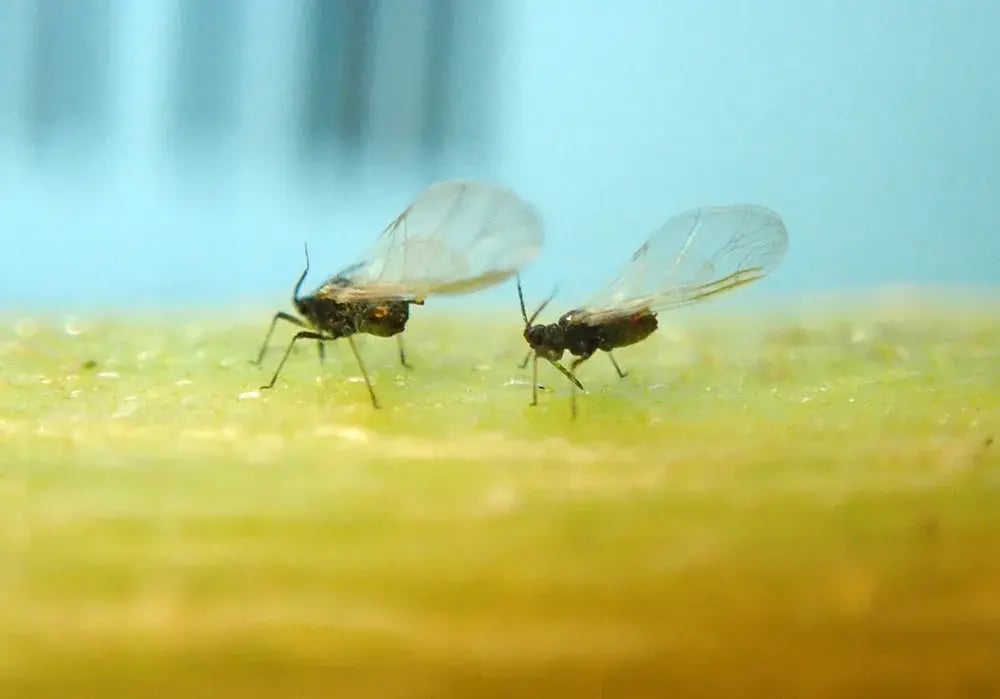
identifying root aphids on cannabis
Chewing Pests (Leaf Eaters)
Caterpillars
Various caterpillar species feed directly on cannabis leaves and buds. While individual caterpillars are easy to spot due to the structural damage they leave behind, they excel at hiding inside dense foliage and buds.
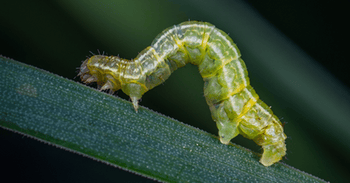
caterpillars on cannabis
Slugs and Snails
Gastropods pose a major issue for outdoor growers in temperate, humid regions. While they have small mouths, they eat continuously and can destroy foliage faster than the plant can grow it. For tips on how to combat these tricky pests, read our comprehensive guide on getting rid of slugs and snails on cannabis.
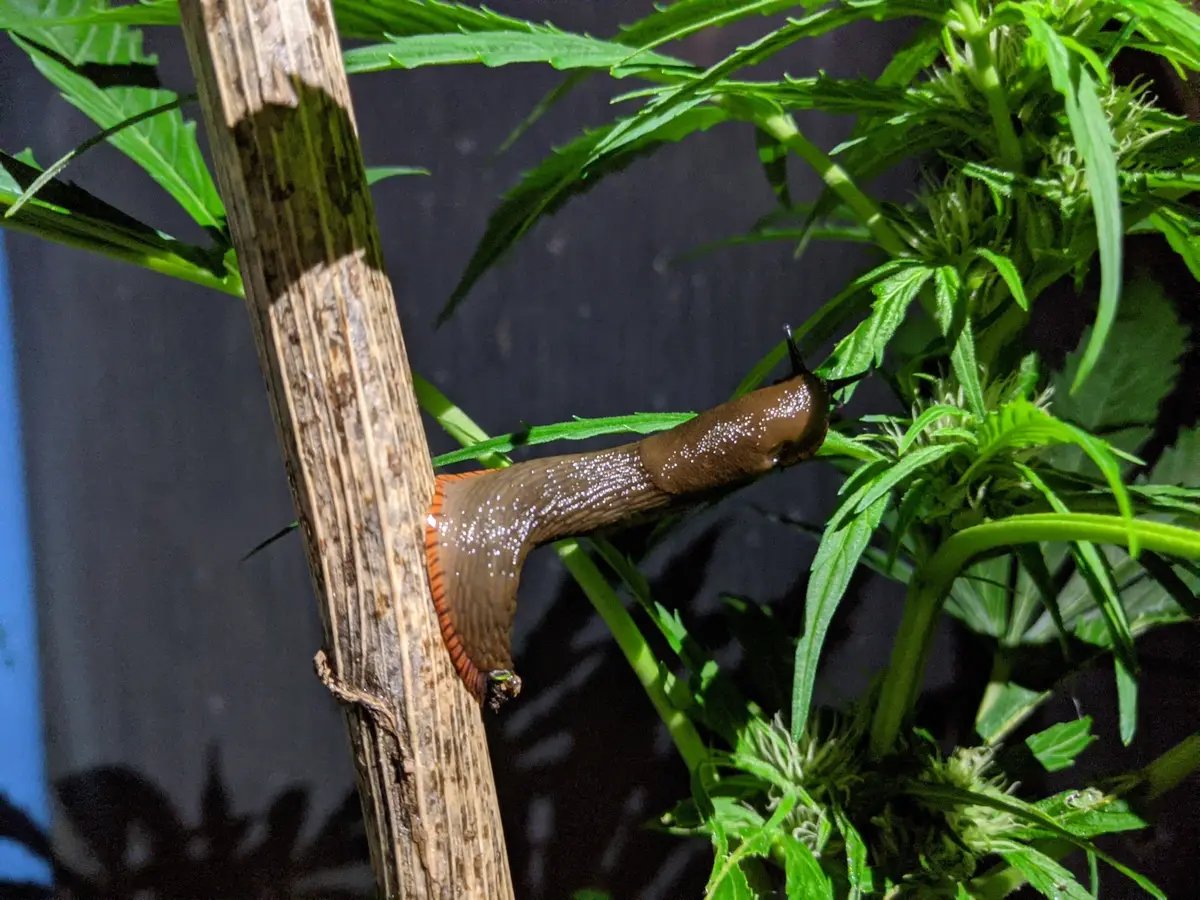
Slugs and snails on weed plant
Controlling Pests with Integrated Pest Management (IPM)
Integrated Pest Management (IPM) is a holistic strategy that focuses on long-term prevention and control through a combination of techniques rather than relying on chemical pesticides. IPM accepts that pests exist in ecosystems, but seeks to keep their populations below damaging levels.
| IPM Strategy | Focus Area | Key Actions / Examples |
|---|---|---|
| Biological Controls | Natural Predators | Introduce ladybugs, Aphidius, or Aphidoletes for aphids; Amblyseius cucumeris for thrips; predatory mites (P. persimilis) for spider mites |
| Environmental Controls | Microclimate & Optics | Maintain ideal canopy airflow, lower temps (< 26°C), optimize light & humidity |
| Physical & Cultural | Barriers & Hygiene | Use yellow sticky traps, soil mulches, copper barriers, and grow pest-resistant genetics |
Major Elements of an IPM Strategy
- Biological Controls: Introduce natural predators, parasites, and beneficial pathogens matched to the pest. Aphids respond well to ladybugs, Aphidius wasps, or Aphidoletes midges; thrips to Amblyseius cucumeris mites (alongside ladybugs); red spider mites to predatory mites (Phytoseiulus persimilis). Suppliers offer both preventative releases, useful if you know you have a recurring pest, and reactive treatments once an infestation is confirmed. Even when predators don’t wipe out a pest completely, they keep the population from tipping into a terminal problem for the plant.
- Environmental Controls: Keep grow room temperatures balanced (many pests thrive above 26°C in dry conditions) and optimize light, airflow, and humidity to create an inhospitable environment for insects.
- Genetics & Cleanliness: Select weed strains known for strong pest resistance (such as Wappa or White Noise) and practice strict hygiene in the grow space by removing plant waste immediately. As a rule of thumb, indicas tend to run more pest-resistant, sativas more mold-resistant, and hybrids can combine both, strains like, Original White Widow IBL, Durga Mata and Opium are bred with this resilience in mind.
- Physical Barriers: Use physical deterrents like yellow sticky traps, soil mulches, copper barriers, or manual removal for larger pests like caterpillars, slugs, and snails.
- Companion Planting: Plant beneficial companion species nearby to naturally deter pest species from settling on your crop, see Companion Planting for Pest Prevention below for pest-specific pairings.
Crucial Safety Note: Never spray organic oils (such as neem) or insecticidal soaps directly on flowering cannabis buds. Foliar sprays applied during bloom ruin terpene profiles, leave harmful residues, and trap moisture inside buds. Use biological controls (predatory insects) once flowering has begun.
Companion Planting for Pest Prevention
There’s no such thing as a plant bred specifically to guard cannabis, but plenty of garden-variety companions are well known for keeping common cannabis pests at bay, and most cannabis pests aren’t picky eaters, so general-purpose garden deterrents work just as well here.
- Against spider mites: Chrysanthemum contains natural pyrethrins and is a reliable deterrent. Onions, leeks, and rhubarb planted nearby are also known to keep spider mites off. Curious what an untreated infestation actually looks like? See our spider mite infection experiment.
- Against aphids and caterpillars: Dill’s strong aroma repels both while attracting the beneficial insects that prey on them. Onions, garlic, and peppermint are solid aphid deterrents. Nasturtium works differently, as a sacrificial crop, its bright flowers lure egg-laying butterflies away from your plants instead of repelling them outright.
- Against whitefly, slugs, snails, and beetles: Marigold has a long-standing reputation as a garden protector, though the research is mixed, one study found it ineffective for some crops, another found it did keep whitefly away. Most growers still consider it worth planting, if only for the bonus of attracting hoverflies and ladybugs. For a dedicated defense plan, see our full guide to slugs and snails on cannabis.
Attract the predators, not just repel the pests. Yarrow, edible chrysanthemum, dahlia, oregano, aster, daisy, and white mustard are attractive to the beneficial insects that hunt your actual problem. Small shelters, trays of branches, hollow stems, bits of clay or bark, a log with a few drilled holes, plus a birdhouse, a hedgehog shelter tucked into a hedge, or a shallow water source for bats, dragonflies, and toads, all help keep predators resident in the garden rather than just passing through.
Give pests somewhere else to go. A patch of fallow ground or a wild planter left to grow in on its own (grasses, nettles, wild carrot, borage, mallow, dandelion, fennel) acts as a diversion, giving pests an easier target than your crop.
As a bonus, a border of colorful companion plants doubles as camouflage, bright flowers draw the eye away from what else is growing in the garden.
Homemade Organic Sprays, Barriers & Traps
Beyond biological controls and companion planting, growers have long made their own low-cost deterrents from kitchen and garden ingredients, making the plant unappealing to eat and the surrounding environment unwelcome to settle in.
Repellent sprays. Infusions, macerations, decoctions, and liquid manures made from strong-smelling ingredients double as natural repellents for flying and crawling pests alike. Garlic bulb, chili pepper, citrus peel, wormwood, wild chicory, nettle root, fern fronds, rhubarb, tansy, comfrey, horsetail stems, tomato leaves, cow or sheep milk, brown tobacco, seaweed, and even crushed insects are all easy-to-source options. Rotating in essential oils, peppermint, citrus, clove, lavender, geranium, cinnamon, sage, rue, keeps pests from adapting to any one scent.
Ground barriers. A scattered, uneven layer of powder around the base of the plant discourages crawling insects: diatomaceous earth, coffee grounds, wood ash, salt, baking soda, crushed eggshells, Epsom salts, cornstarch, and copper strips all work, used in moderation and alternated over time. A sticky paste ringing the pot or stem base adds another layer of deterrence.
Traps. Bottle traps hung from branches or set on the ground, baited with a sweet mixture of sugar, syrup, jam, fruit, yeast, or corn flour, pull crawling and flying pests away from the plant itself.
Plant tonics. A stressed or weakened plant is easy prey, so a periodic boost can help it mount its own defense. Unsalted cooking or soaking water, coffee grounds, tea leaves, banana peels, infusions of hardy garden plants, aged manure, and aquarium water are all common household sources of a mild nutrient boost. Use sparingly and only when the plant is showing signs it needs it, a tonic is a supplement, not a substitute for a proper feeding schedule.
Key Takeaways for Pest Prevention
- Keep plants as healthy and strong as possible: weak plants are significantly more susceptible to attack.
- Keep the grow space clean and free of dead plant matter.
- Monitor foliage and root zones regularly. Early identification is the single most effective way to eliminate a pest problem before it spreads.
Dealing with discolored, powdery leaves or rotting buds rather than insects? Read our complete Cannabis Mold and Mildew Prevention Guide.