

Contents
This is the stage where your plant actually builds itself: the branches, the root system, the canopy that everything else depends on. Get it right and flowering has something real to work with. Get it wrong, and no amount of attention during flower fixes a plant that never built proper structure.
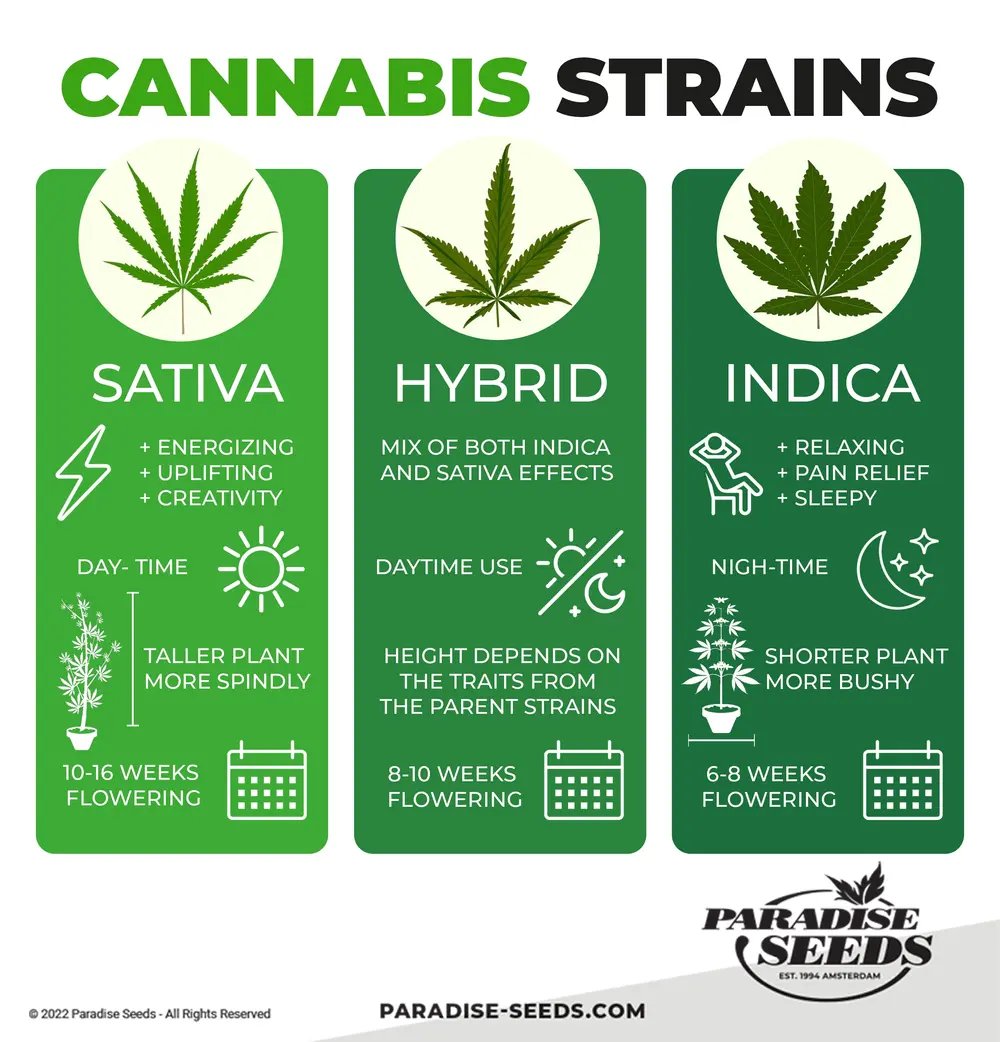
Growth pattern varies by genetics: indica plants stay shorter and bushier, sativa plants stretch taller and lankier, and hybrids fall somewhere between the two depending on their specific cross. Autoflowers behave differently again, spending only 2-3 weeks in this phase before flowering automatically regardless of light schedule. This guide focuses on photoperiod strains, where you control the timing.
Why This Stage Matters
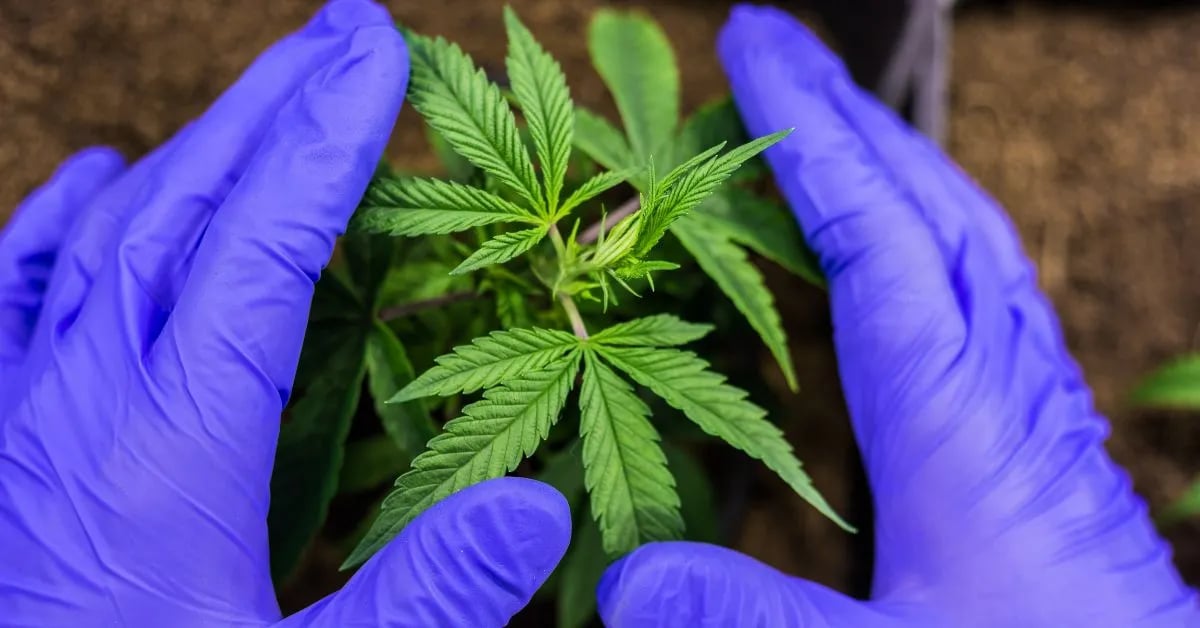
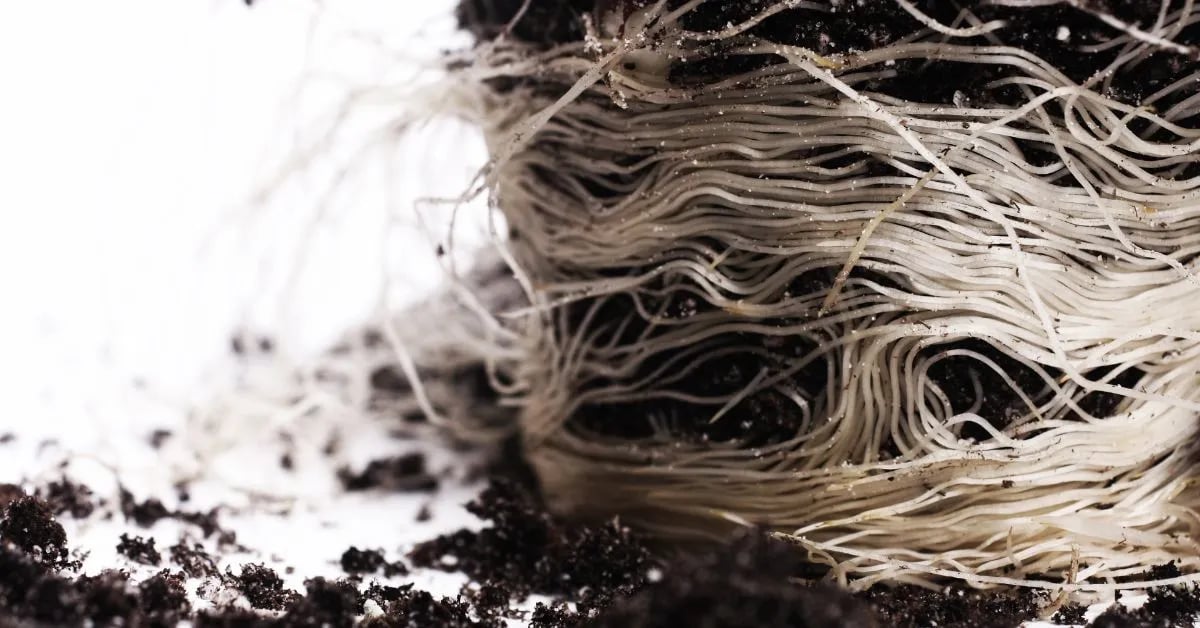
Four things are happening at once. The plant is building its infrastructure: a thick stem to support branches, a full canopy of leaves to drive photosynthesis. It’s building an equally complex root network below ground, the water and nutrient supply line, and your plant’s main defense against disease. It’s becoming a growth engine: energy goes into rapid branch and node development, and those nodes are exactly where flowers will form later, more nodes now generally means more bud sites then. And it’s at its most resilient point in the entire lifecycle: unlike a fragile seedling, a vegetative plant can be bent, tied, and cut without major setback, which is exactly why this is the window for training.
Getting the Environment Right
Lighting. Aim for 16-18 hours of light daily at minimum (some growers run 24 hours for faster growth, others prefer giving the plant a rest period, a genuinely open debate without a clear consensus). Blue-spectrum light (roughly 400-500nm) supports the leafy growth this stage is all about; shifting toward red as you approach flowering starts encouraging bud development early. If you’re running HPS or any high-intensity light, watch your distance carefully: too close risks light burn on the canopy, too far and the plant stretches to compensate, wasting energy it should be putting into structure.
Temperature and humidity. Vegetative plants want it warmer than they will during flowering. Our ideal climate settings guide has the exact target ranges for this stage, worth checking directly since precision matters more than a single rule of thumb. As general guardrails: heat stress typically sets in above 30°C (86°F), and cold stress below about 12°C (53°F), either one will cost you growth and, eventually, yield. Keep air moving too, stagnant air invites problems that good ventilation and a fan or two largely prevent.
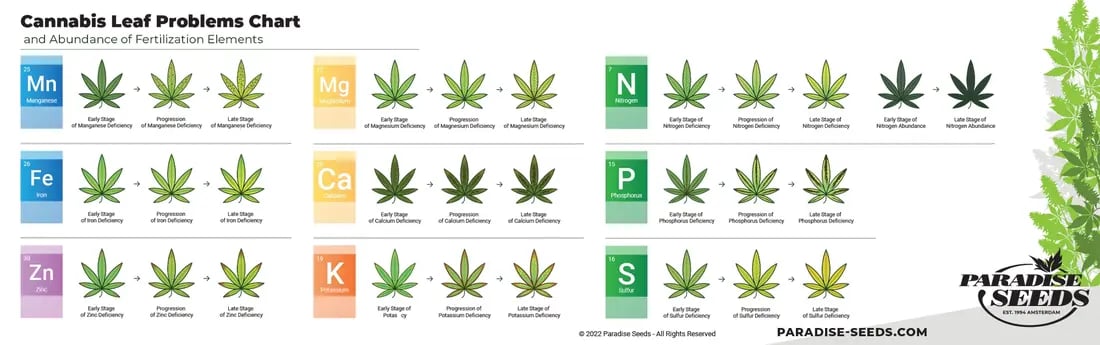
Nutrients. This is a hungry stage. NPK (nitrogen, phosphorus, potassium) does the core work: nitrogen drives leafy growth, phosphorus supports root development and energy transfer, potassium fuels metabolic processes including photosynthesis and water uptake. Calcium, magnesium, and sulfur matter too, in smaller amounts, supporting cell wall strength, photosynthesis, and new cell formation respectively. Watch for nutrient problems: both excess and deficiency show up fastest in leaf color and general plant appearance, and lockout can mimic either one, so don’t assume more feeding is always the fix.
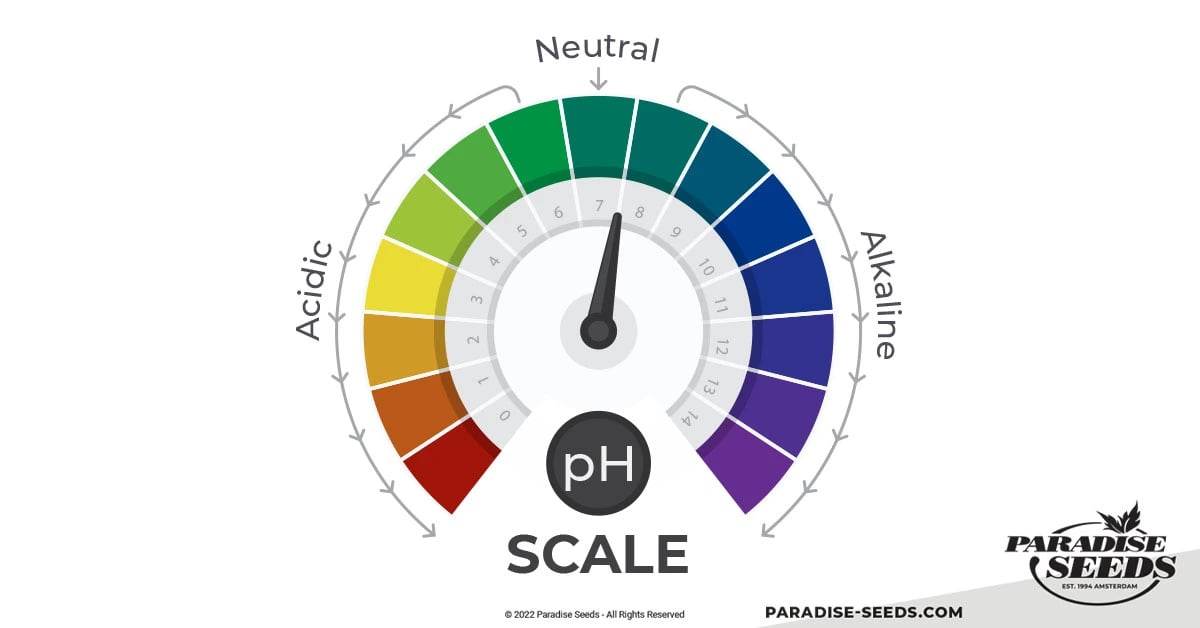
pH. Keep your nutrient solution around 5.8-6.5. Outside that window, your plant can’t properly absorb what you’re feeding it, deficiency symptoms with a feeding schedule that’s technically correct.
CO2. Less critical here than in flowering, but not irrelevant. Natural air exchange usually covers vegetative CO2 needs, though some growers supplement anyway to push growth further. Our climate settings guide covers CO2 targets in more depth if you’re considering it.
Training and Pruning
Because a vegetative plant tolerates stress so well, this is your window for shaping it: LST, HST, SCROG, SOG, topping, fimming, and mainlining all work best applied here, before the plant locks in its structure for flowering. Our full growing-techniques guide walks through each method’s pros, cons, and execution.
When Things Go Wrong
Nutrient deficiencies, stress, lockout, and pests are all a normal part of vegetative growth at some point, not a sign you’re doing something fundamentally wrong. Check plants regularly, since almost everything here is easier to fix caught early. Our troubleshooting guide covers diagnosis and fixes for the most common issues.
Timeline
Outdoors, vegetative length is dictated by daylight hours rather than a fixed schedule, plants sown in spring can stay vegetative for 4-5 months before flowering triggers as days shorten in autumn. Indoors, where you control the light, here’s a general shape of how it unfolds:
- Days 0-7: Germination and initial root development.
- Days 7-21: Seedling stage, early leaves developing, root system establishing.
- Days 22-35: Transition into full vegetative growth, upward growth accelerates, root development continues below.
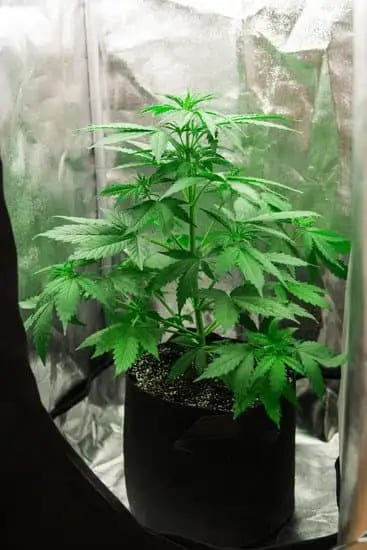
- Days 36-49: Vigorous growth. Nutrient demand peaks here, watch closely for deficiency signs, and this is your best training window.
- Days 50-63: Continued bushing out, more branches, fuller canopy.
- Days 64+: Pre-flowering prep, gradually shifting light toward 12/12 to simulate shortening natural daylight.
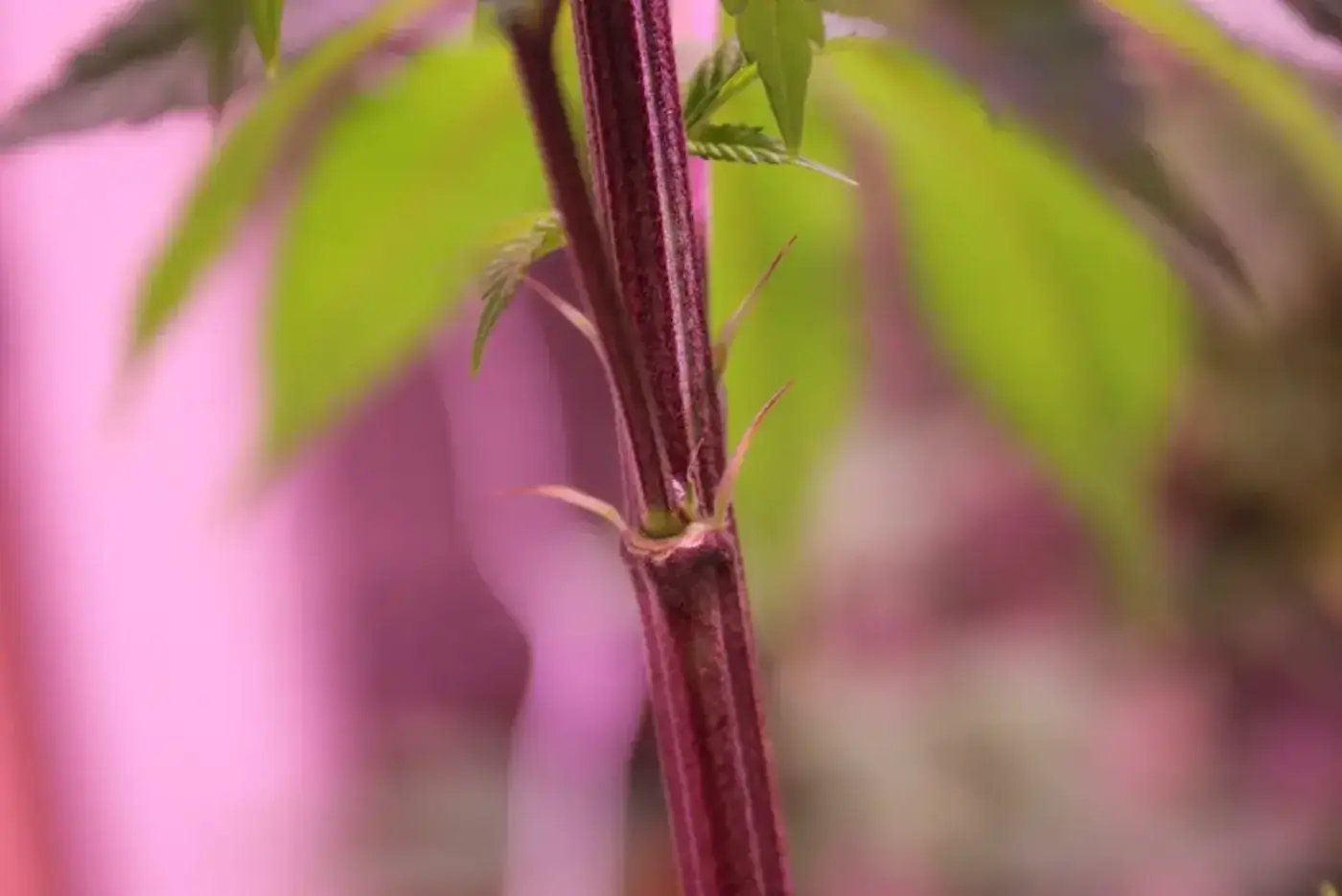
Throughout all of this, check plants often. Lollipopping, removing lower, shaded growth, redirects energy toward the bud sites that matter and improves airflow at the base of the plant, both of which help reduce stress on the plant generally (stress being one of several factors, alongside light leaks and heat, that can push a plant toward hermaphroditism).
When to flip to flower comes down mostly to height. Expect a stretch of 1.5-3x current size once flowering starts, so if space is limited indoors, that’s the number to plan around. Most growers flip after 4-6 weeks of vegetative growth, switching the light cycle from 18-24 hours down to a strict 12/12 to trigger the transition.
Build It Right, Flower It Well
We’ve been growing cannabis indoors and outdoors in Amsterdam since 1994, and the pattern holds at every scale: a plant that built real structure in veg has something worth flowering. This stage is forgiving, plants genuinely want to grow here, so the real job is managing that growth within your space and keeping the nutrient schedule on track.
Ready to build something worth the wait? Browse our feminized cannabis seeds collection and grow genetics bred to reward a well-managed vegetative stage.